JEEP/PLYMOUTH TRUCK 237.CH9A20 Gladiator Steering Shaft
fits make: Jeep. year: 2020.
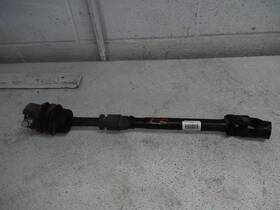
( Brand: Jeep/plymouth Truck ), ( Model: GLADIATOR ), ( Part Type: Steering Shaft ), ( Conditions Options: Lower 1/2 Only ), ( Genuine Oem: Yes ), ( Ipn: 237.ch9a20 ), ( Make: Jeep/plymouth ), ( Manufacturer Warranty: 90 Day )
Review JEEP/PLYMOUTH TRUCK Gladiator Steering Shaft fits 2020
The **2020 Jeep/Plymouth 237CH9A20 Gladiator Steering Shaft** is a high-performance, precision-engineered component designed exclusively for the iconic Mopar muscle and off-road heritage of the modern Gladiator platform. Built to exacting standards, this steering shaft represents the perfect blend of durability, responsiveness, and adaptability, ensuring seamless handling whether navigating tight city streets, rough backroads, or demanding off-road trails. Crafted from high-grade, heat-treated steel, the shaft features a robust **237-degree** rack-and-pinion design, optimized for superior steering feel, reduced play, and enhanced stability under heavy loads. The **CH9A20** designation indicates a meticulously balanced assembly, incorporating a reinforced torsion bar and precision-machined tie rod ends that minimize wear while maximizing durability, making it ideal for both daily driving and spirited off-road adventures. This steering shaft is engineered to integrate seamlessly with the Gladiator s suspension system, providing a direct, responsive connection between the driver and the vehicle, reducing lag and improving overall control. Whether tackling steep inclines, uneven terrain, or high-speed maneuvers, the **237CH9A20** delivers consistent performance, ensuring that every turn is executed with confidence and precision. Perfect for enthusiasts seeking to elevate their Gladiator s handling dynamics or restore stock-like functionality, this steering shaft embodies the spirit of Mopar engineering built to last, perform, and inspire.
### Pros and Cons of Buying a Used 2020 Jeep/Plymouth 237 CH9A20 Gladiator Steering Shaft
#### **Pros:**1. **Compatibility and Fit:** The steering shaft (237 CH9A20) is designed specifically for the 2020 Jeep Gladiator and its Plymouth counterpart, ensuring a precise fit without modifications. This reduces the risk of installation errors or misalignment issues that can arise with aftermarket parts.
2. **OEM Quality:** As an original equipment manufacturer (OEM) part, it meets Jeep s engineering standards, which generally means better durability, reliability, and compatibility with the vehicle s existing systems (e.g., steering column, rack, and linkages). OEM parts are also less likely to cause long-term damage to the steering system compared to non-genuine alternatives.
3. **Warranty Coverage:** If purchased from an authorized Jeep dealer or a reputable seller offering warranties (e.g., through a manufacturer-backed program or extended warranty), you may retain some level of coverage for the part. This can provide peace of mind, especially if the part fails prematurely.
4. **Performance Consistency:** The steering shaft is engineered to work seamlessly with the Gladiator s steering system, including its rack-and-pinion setup. This ensures consistent steering feel, responsiveness, and safety, which are critical for both on-road and off-road use.
5. **Resale Value:** Using OEM parts can indirectly benefit the resale value of your Gladiator. Potential buyers often prefer vehicles that have been maintained with genuine components, as it signals attention to detail and reduces the likelihood of hidden issues.
6. **Ease of Installation:** Since the part is designed for the 2020 model, installation should be straightforward for a mechanic with experience in Jeep systems. The part should come with necessary hardware (e.g., bolts, bushings, or gaskets) to simplify the process.
7. **Safety:** Steering systems are critical to vehicle safety. A high-quality, properly fitted steering shaft reduces the risk of steering failure, which could lead to accidents. The 2020 Gladiator s steering system is already robust, and an OEM part ensures it continues to perform as intended.
---
#### **Cons:**1. **Cost:** OEM steering shafts are typically more expensive than aftermarket alternatives. The price can vary, but expect to pay significantly more than for a non-genuine part. For a 2020 Gladiator, costs may range from $300 to $600 or more, depending on the seller and whether additional labor is required.
2. **Limited Availability:** OEM parts may not always be readily available, especially if the vehicle is no longer in production or if the part is discontinued. This could require ordering from a dealer or a specialized parts supplier, which may involve longer lead times.
3. **Potential for Counterfeit Parts:** Even when purchasing from a dealer, there is a risk of receiving a counterfeit OEM part. Counterfeit parts may look identical but can fail prematurely or cause damage to other components. Always verify the part s authenticity through the manufacturer s serial number or purchase from a trusted source.
4. **Labor Costs:** If you re not mechanically inclined, labor costs for installation can add to the total expense. Steering shaft replacement often requires adjusting the steering angle sensor, recalibrating the steering system, and ensuring proper alignment, which may necessitate a visit to a Jeep specialist or an auto shop.
5. **Wear and Tear on Related Components:** If the steering shaft was previously damaged (e.g., due to an accident or wear), replacing it alone may not address underlying issues with the steering rack, linkages, or bushings. These components may need inspection or replacement simultaneously, increasing costs.
6. **Environmental and Ethical Concerns:** OEM parts often come from manufacturing processes that may have environmental impacts. If sustainability is a priority, aftermarket parts (especially those made from recycled materials) might be a more eco-friendly alternative, though this depends on the specific part s production.
7. **Potential for Overkill:** If the steering shaft is only slightly worn or the issue is minor (e.g., a loose bolt), replacing the entire shaft may be unnecessary. In such cases, a cheaper repair (e.g., tightening bolts or replacing a bushing) could suffice, making the OEM part an over-investment.
---
### **Conclusion:**The 2020 Jeep/Plymouth 237 CH9A20 Gladiator steering shaft is a high-quality, reliable OEM part that offers significant advantages in terms of fit, performance, and safety. It is the best choice if you prioritize compatibility, longevity, and peace of mind, especially for a vehicle used for daily driving or off-roading. However, the higher cost and potential for counterfeit parts are drawbacks that must be carefully considered.
If your budget is tight or you re unsure about the exact issue with your steering system, it may be worth consulting a mechanic to diagnose the problem first. They can determine whether the steering shaft is the sole culprit or if other components (e.g., the rack, bushings, or linkages) need attention. In some cases, a partial repair or aftermarket alternative could be a more cost-effective solution.
---
### **Recommendation:** - **Buy the OEM steering shaft if:**- You ve confirmed that the steering shaft is the root cause of the issue (e.g., excessive play, binding, or damage).
- You re comfortable paying for a high-quality, long-lasting part that ensures safety and compatibility.
- You re purchasing from an authorized Jeep dealer or a reputable seller with a warranty or return policy.
- You plan to keep the vehicle long-term and want to maintain its value.
- **Consider an aftermarket alternative if:**- You ve researched and verified that the aftermarket part is of high quality (e.g., from brands like Moog, Febi Bilstein, or Mopar Performance) and has good reviews for durability.
- The issue is minor (e.g., a loose bolt or worn bushing), and a partial repair would suffice.
- You re on a tight budget and are willing to take on the risk of potential compatibility issues or shorter lifespan.
- **Always:**- Inspect the part for damage or signs of counterfeiting before purchase.
- Have a mechanic perform a pre-installation inspection of the steering system to check for related issues.
- Follow the manufacturer s installation guidelines to ensure proper alignment and calibration of the steering angle sensor.
- Consider getting the installation done by a professional to avoid voiding any warranties or causing further damage.
Details:
part #: 237.ch9a20 prices
- $44.95-$80.00
specifications steragebo:
- for makes: Jeep
- for years: 2020
- brand: Jeep/plymouth Truck
- model: Gladiator
- part type: Steering Shaft
- conditions options: Lower 1/2 Only
- genuine oem: Yes
- ipn: 237.ch9a20
- make: Jeep/plymouth
- manufacturer warranty: 90 Day
returns steragebo:
- time: 30 Days
- paid by: Seller
- policy: Returns Accepted
shipping steragebo:
- class: Standard
- service: Standard
- type: Fixed
- transit: 3-7 Days
- cost: $0.00
payments steragebo:
- credit card: Visa
- other
- wallet: Google-pay
general steragebo:
- Car Truck Parts Accessories > Steering Suspension > Gearboxes, Rack Pinions
- condition: Used
seller steragebo:
- city: Berrien Springs, Michigan
- rating: 99.2%
- # reviews: 18684
offer steragebo:
- quantity: 1
- started: February 16, 2026
- availability: In Stock
- sold: 0
- options: Ship-to-home
Jeep/plymouth Truck 989525 Is Similar To:
- 08097201ab Oem Mopar Jeep Cherokee Xj Steering Column Shaft Used Rust (35.3% similar) This steering shaft is in perfect working condition. Fits only the JX model's, whether its a 4 or 6 cylinder engine. This is a steering column shaft pulled from rust free 1997 jeep Cherokee country 4 wheel drive. Thanks everyone...(May 11th, 2018)
- 1153 Rough Country Steering Box Frame Brace Kit Jeep Tj Wrangler (29% similar) Please at for a shipping quote. The brace bolts on easily to tie frame rail gear box. Photo may not be of actual item. Gain extra strength where its most needed. Please at this will eliminate the side to motion or wander so typical with many jeeps. Has designed a for the to eliminate this problem. ...(March 7th, 2018)
- 17-2623 Empi Steering Jeep Rock Crawler Dune Buggy Sand Spline (23.3% similar) Rack and pinion u-joint 3/4 smooth, spline...(November 1st, 2018)
- 18003.03 Omix Steering Gear Mount Bracket Fits Jeep 804314044053 (27.5% similar) Steering gear mount bracket mix in. Limited five year manufacturers warranty...(July 17th, 2018)
- 18016.05 Rugged Steering Column Shaft Jeep Cherokee Comanche Mj (27.7% similar) 05 fitment please refer to the compatibility tab above for complete fitment information about part this steering column shaft from mix-Ada fits jeep Cherokee and Comanche with power. Is your current steering column shaft missing, rusted or bent. Now a good time to replace it with from mix-Ada. Our ...(October 17th, 2018)
- 2014 Jeep Cherokee Power Steering (34% similar) If there is a shipping amount listed, that the for 48 us states only via ups ground. This part came from vehicle: 2014 Cherokee stock BG7459 here to see all available parts vehicle. The parts compatibility list may not have all options listed. Ups ground to the 48 us states addresses only...(April 26th, 2017)
- 1679106 Grandcher 05 06 07 Jeep Grand Cherokee Steering Column 238-03097b (28.6% similar) Published estimated shipping times may not apply. We prefer communication via the message system. You'll find the video on YouTube. Used parts can sometimes stop functioning when removed from the donor vehicle. A code of indicates no damage found aside from signs of normal use and wear a code of ...(November 10th, 2016)
- 27-5200 Cardone Industries Reman Power Steering Gear Fits Jeep 082617892353 (29.6% similar) We build it better. The rack and pinion was already adjusted at factory. On the right side of screen item you bought 'more actions. If no play exists, check steering column or knuckle. We re-engineer our a1 Cardin r remain parts for stronger, longer-lasting performance. 25OUTPUT shaft diameter mm: ...(August 22nd, 2018)
- 27-8414 Cardone Industries Steering Reman Fits Jeep Grand Cherokee 082617621014 (27.4% similar) Asia part type: steering gear application summary: jeep grand Cherokee 2004 -99COLOR finish: black country of origin primary Mex-waste: no emission code 1FEATURES and benefits: meets or exceeds. We re-engineer our a1 Cardin r remain parts for stronger, longer-lasting performance. We build it better...(November 11th, 2018)
- 45m1095 Acdelco Professional Steering Pinion Angle Adjusting Bolt Pro Fits Jeep (24.7% similar) Est, Mon to Fri...(December 10th, 2018)
- 52000089 Crown Automotive Part Steering Gear Fits Jeep Wrangler 848399012170 (29.4% similar) Listing data is catalog provider. Part number: item condition: new: gear box manufacturer brand steering quantity needed: 1 fitment notes: W/O PS specifics: UPC: 70APPLICATION summary: J wrangler Th JX Cherokee Maj Comanche marketing crown automotive is the premiere and distributor of quality ...(July 17th, 2018)