HYUNDAI 237.HY1318 Steering Intermediate Shaft
fits model: Tucson. make: Hyundai. year: 2018.
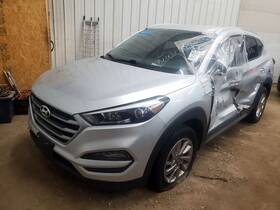
( Part Type: Steering Shaft ), ( Conditions Options: At ), ( Genuine Oem: Yes ), ( Ipn: 237.hy1318 )
Review HYUNDAI Steering Intermediate Shaft Assembly fits TUCSON 2018
The **Hyundai 237.HY1318 Steering Intermediate Shaft** is a precision-engineered component designed exclusively for the **2018 Hyundai Tucson**, ensuring optimal performance, durability, and reliability in the vehicle s steering system. This high-quality shaft plays a critical role in transmitting steering input from the steering wheel to the front wheels, enabling smooth and responsive handling while maintaining structural integrity under varying driving conditions. Manufactured to Hyundai s exact specifications, this intermediate shaft is crafted from **high-strength steel**, heat-treated for enhanced durability and resistance to wear, ensuring it can withstand the demands of daily driving, including sharp turns, rough terrain, and prolonged use without deformation or failure. The shaft features a **sleek, tapered design** with precision-machined surfaces to minimize friction and maximize efficiency, reducing unnecessary strain on the steering linkage and power steering system. Its **OEM-compatible fitment** guarantees a seamless installation, matching the original equipment manufacturer s tolerances to prevent misalignment or binding, which could compromise steering precision or lead to premature wear on associated components. Whether replacing a worn-out shaft due to age, damage, or routine maintenance, this **direct-fit replacement** restores the Tucson s steering responsiveness, ensuring a comfortable and controlled driving experience. Built to withstand the rigors of modern automotive use, the 237.HY1318 shaft is a testament to Hyundai s commitment to quality, offering drivers confidence in their vehicle s handling capabilities for years to come.
### **Pros and Cons of Buying a Hyundai 2018 Tucson with the Steering Intermediate Shaft (Part #237.HY1318) Issue**
#### **Pros of Purchasing a 2018 Hyundai Tucson with This Issue**
1. **Potential for Cost Savings** If the issue is isolated to the steering intermediate shaft and not part of a broader mechanical failure, the repair cost may be relatively low compared to other major components (e.g., transmission, engine, or suspension failures). Replacing the shaft typically ranges between $200 $500 depending on labor rates and whether OEM or aftermarket parts are used.
2. **Warranty or Extended Coverage Possibility** If the vehicle is still under Hyundai s factory warranty (typically 3 years/36,000 miles) or if you have purchased extended warranty coverage, the repair may be fully or partially covered, reducing out-of-pocket expenses.
3. **Reliable Platform Overall** The 2018 Hyundai Tucson is generally a well-built SUV with a reputation for durability. Many owners report few major issues outside of common wear-and-tear problems. The steering intermediate shaft failure, while annoying, does not necessarily indicate deeper mechanical problems.
4. **Easy to Replace** The steering intermediate shaft is a straightforward repair compared to more complex components like the steering rack or transmission. Mechanics often complete the job in a few hours, minimizing downtime.
5. **Market Availability** Since this issue is known but not widespread, there is still a decent supply of used 2018 Tucson models available. This means you have more options to choose from when shopping, allowing you to find a better deal or negotiate pricing.
6. **Potential for Resale Value** If you address the steering issue upfront, the vehicle may retain more resale value than a similar model with an unresolved mechanical problem. Buyers are more likely to pay a fair price for a car that has been properly maintained.
---
#### **Cons of Purchasing a 2018 Hyundai Tucson with This Issue**
1. **Unexpected Repair Costs** Even if the steering intermediate shaft is the only known issue, there is always a risk that other minor problems (e.g., worn suspension bushings, minor electrical gremlins, or fluid leaks) may surface shortly after purchase. These can add up quickly.
2. **Potential for Recurrence or Related Problems** While the steering intermediate shaft itself is a simple part, its failure could be linked to other issues such as:
- **Worn steering components** (e.g., tie rods, ball joints, or rack bushings), which may require additional repairs.
- **Improper installation** if the part is not replaced correctly, leading to premature wear or a noisy steering system.
- **Software or calibration issues** if the steering angle sensor or electronic stability control (ESC) system needs recalibration after the repair.
3. **Time and Inconvenience** The repair process may require renting a car or arranging transportation while the vehicle is in the shop. If you rely on the SUV for daily use, this can be disruptive.
4. **Dealer vs. Independent Mechanic Costs** While Hyundai dealers may offer warranty coverage, they often charge higher labor rates than independent shops. If the vehicle is out of warranty, you may face a steeper bill at a dealership.
5. **Market Perception** Some buyers may be hesitant to purchase a vehicle with a known issue, even if it s minor. This could limit your ability to resell the car later at a premium price unless you disclose the repair upfront.
6. **Risk of Hidden Issues** Even if the steering intermediate shaft is the only confirmed problem, a pre-purchase inspection (PPI) is essential. Some sellers may not disclose other minor issues (e.g., worn brake pads, failing head gasket, or electrical faults), which could lead to additional unexpected repairs.
---
### **Conclusion**
The decision to buy a 2018 Hyundai Tucson with a steering intermediate shaft issue depends on your budget, risk tolerance, and how much you value the vehicle s overall condition. **If the car has been well-maintained, the steering issue is the only known problem, and you re prepared for a potential repair cost of $200 $500, then it can be a reasonable purchase.** The Tucson is a solid SUV, and this specific issue is not a dealbreaker if addressed promptly.
However, **if you re on a tight budget, unwilling to take on any risk of additional repairs, or prefer a vehicle with no outstanding issues, it may be better to look for a similar model without this problem.** Always prioritize a thorough pre-purchase inspection to rule out other potential problems before making a final decision.
---
### **Recommendation**
1. **Get a Pre-Purchase Inspection (PPI)** Hire a trusted mechanic to inspect the vehicle thoroughly, not just the steering system. This will give you peace of mind and help identify any other issues that may need attention.
2. **Negotiate the Price** If the steering intermediate shaft is confirmed as the only issue, use this as leverage to lower the purchase price. A fair adjustment might be $300 $800 off the asking price, depending on the severity of the problem.
3. **Budget for the Repair** Set aside funds for the steering shaft replacement, including labor. If the vehicle is out of warranty, factor in potential additional costs for related components (e.g., tie rods, bushings).
4. **Consider Alternative Options** If you find another 2018 Tucson without this issue at a similar price, it may be worth the extra effort to avoid future hassles.
5. **Purchase from a Reputable Seller** Deal with a dealership with a good return policy or a private seller who provides a warranty. Avoid shady sellers who may not disclose all issues.
6. **Document the Repair** If you buy the car and fix the steering issue, keep records of the repair. This can help with future resale or if you encounter similar problems later.
**Final Verdict:** The 2018 Hyundai Tucson with a steering intermediate shaft issue can be a good buy if you re prepared for the repair and the car is otherwise in good condition. However, if you want a hassle-free purchase, prioritize a vehicle without this or any other known problems. Always weigh the cost of the repair against the vehicle s overall value and your long-term needs.
Details:
part #: 237.hy1318 prices
- $52.50-$113.90
specifications steragebo:
- for models: Tucson
- for makes: Hyundai
- for years: 2018
- part type: Steering Shaft
- conditions options: At
- genuine oem: Yes
- ipn: 237.hy1318
shipping steragebo:
- carrier: FedEx
- transit: 4-6 Days
- type: Calculated
- class: Standard
- cost: $32.96
- service: FedEx Ground / FedEx Home Delivery
offer steragebo:
- started: March 1, 2026
- availability: In Stock
- quantity: 1
- options: Ship-to-home
- sold: 0
returns steragebo:
- paid by: Buyer
- policy: Returns Accepted
- time: 30 Days
general steragebo:
- Car Truck Parts Accessories > Steering Suspension > Gearboxes, Rack Pinions
- condition: Used
payments steragebo:
- wallet: Google-pay
- other
- credit card: Diners-club
seller steragebo:
- # reviews: 10117
- city: Denmark, Wisconsin
- rating: 99.5%
Hyundai 1820860 Is Similar To:
- 13880546 Ssb Complete Steering Rack For Hyundai Sonata Kia Optima Magentis (26.8% similar) Surfaced to oe specifications racks are finished with proper surface prevent leaking and prolong life. New Teflon rings installed on spoon valves to restore internal sealing of rack and pinion. This part compatible with notes important details year make model trim engine 15 in...(August 12th, 2018)
- 2009-2012 Hyundai Elantra Power Steering (29.6% similar) No expedited shipping is available. Hyundai Elnora power steering column with motor oem black key please verify compatibility of this part your vehicle before purchase. If an item arrives damaged, please via message within 24 hours for instructions...(November 15th, 2017)
- 438 23043 001 Wd Express Genuine Rack And Pinion Assembly Fits Hyundai Elantra (31.4% similar) Price is for 1 - adjust quantity in cart. Be extra careful that you are purchasing the right item so will not have any fitment issues...(November 11th, 2018)
- 56300-3x202 Hyundai Elantra Sedan Power Steering Column Motor Oem (31.4% similar) Free shipping is within the continental USA hyundai Elnora sedan power steering column w motor 3X202 oem good condition...(November 21st, 2018)
- 563002h300 Mobi Hyundai Elantra Electric Power Steering Motor Gear Column (28.4% similar) Sculptors fits hyundai power steering motor gear column part 563002H300 XA0 H04...(July 1st, 2018)
- 56310 1r305 Hyundai Elantra Steering (30.6% similar) Brand new unused steering column opened for pictures only...(October 31st, 2017)
- 56310-2l300 Hyundai Elantra Touring Steering Column Oem (32.3% similar) What you see is get. 2012 hyundai Elnora touring steering column 563102L300 oem will fit:: up for sale is a used from 2009 Electra. Happy buying. Everything pictured below is what included in this offer shipping for item 16. Images:actual item pictured below...(May 30th, 2018)
- 563102t300 Hyundai Kia 11 Optima Steering (32.8% similar) Right is passenger side. This part was removed from a 2011 optimal stock number 16G024 and the mileage miles. All parts have been: carefully inspected. Transmission type manual or auto, and the body 2 door, 4/5 door hatch, etc. All parts must be installed to manufacturers specifications. This ...(February 28th, 2017)
- 564003x002 Hyundai Oem Elantra Steering (29.8% similar) ...(October 30th, 2018)
- 56500-3q400 Hyundai Sonata Kia Cadenza Steering Gear Rack Genuine Oem (33.3% similar) Will also fit KIA cadenza. The steering rack in pinion is ready for install and will give you that genuine oem factory performance. New oem hyundai sonata steering gear rack and pinion complete assembly part 3Q400 this item is brand in the box was opened to verify it correct...(August 20th, 2018)
- 565003q100 Hyundai 11 Sonata Steering (33.9% similar) All parts must be installed to manufacturers specifications. Warranty is for replacement of the part only and does not include any towing, labor, fluids, seals or gaskets. This will not affect the performance or function of part. The photos may not represent its current state or available parts. ...(January 11th, 2018)