HONDA 238-67443C Steering Column Floor Electric Power
fits model: Si, Civic. make: Honda. year: 2014–2015.
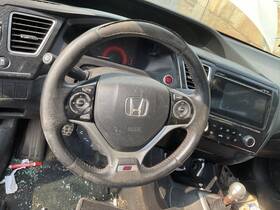
( Model: CIVIC ), ( Part Type: Steering ), ( Conditions Options: Airbag Sold Separately Cpe Blk 6sp ), ( Genuine Oem: Yes ), ( Ipn: 238-67443c ), ( Manufacturer Warranty: 90 Day )
Review HONDA Steering Column Floor Shift Electric Power fits CIVIC SI 2014–2015
The **Honda 238-67443C Steering Column Floor Electric Power Steering (EPS) Assembly** is a precision-engineered component designed exclusively for the **2014 2015 Honda Civic (with the 1.8L or 2.0L engine)**, ensuring seamless integration with the vehicle s advanced electrical and mechanical systems. This high-quality replacement part replaces the original factory steering column assembly, featuring a **floor-mounted electric power steering (EPS) mechanism** that enhances driver comfort and control by eliminating the need for manual effort when turning the wheel. The assembly incorporates a **robust, corrosion-resistant housing** and a **reliable electric motor** that works in tandem with the vehicle s EPS control unit to provide smooth, responsive steering feedback, reducing fatigue during long drives. Engineered with Honda s signature attention to detail, this steering column includes a **durable, ergonomic grip** and a **secure mounting system** that aligns perfectly with the Civic s steering linkage, ensuring optimal alignment and minimal play. Whether used for routine maintenance or as part of a comprehensive restoration, this **OEM-quality replacement** guarantees compatibility with the original wiring harness, connectors, and mounting points, delivering the same level of performance and reliability as the factory unit. Ideal for mechanics, DIY enthusiasts, and fleet operators seeking long-term durability, this part is built to withstand daily wear while maintaining the Civic s signature handling dynamics.
**Pros and Cons of Buying a Honda Civic (2014-2015) with Steering Column Floor Electric Power Steering (Part Number: 238-67443C)**
### **Pros**
1. **Reliability and Durability** Honda Civics from 2014-2015 are known for their robust engineering and longevity. The electric power steering (EPS) system, while not as common as hydraulic systems, is generally reliable in these models, especially when properly maintained.
2. **Cost-Effective Upgrade** The steering column floor electric power steering system (238-67443C) is a direct replacement part, meaning it should fit seamlessly into the existing setup without requiring major modifications. This makes it a straightforward and budget-friendly upgrade compared to full steering column replacements.
3. **Improved Driving Experience** Electric power steering can provide smoother, more responsive feedback compared to older hydraulic systems, enhancing overall driving comfort and precision. It also reduces the risk of fluid leaks, which are common in hydraulic systems.
4. **Compatibility with Modern Systems** The EPS system in these Civics is designed to integrate well with the vehicle s existing electronics, reducing the likelihood of compatibility issues with other components like the steering angle sensor or power steering control module.
5. **Easier Maintenance** Since EPS systems have fewer moving parts than hydraulic systems, they typically require less frequent maintenance, such as fluid changes or belt replacements. This can save time and money in the long run.
6. **Resale Value Retention** Honda Civics hold their value well, and a well-maintained 2014-2015 model with a properly installed EPS upgrade can still attract buyers who appreciate the reliability and modern features of the vehicle.
---
### **Cons**
1. **Potential Compatibility Issues** While the part number suggests compatibility, there is always a risk of fitment issues, especially if the vehicle has been previously modified or if the EPS system was not properly diagnosed before installation. Improper installation could lead to erratic steering or even system failure.
2. **Electrical Complexity** Electric power steering relies on wiring, sensors, and control modules. If there are existing electrical issues in the vehicle (e.g., faulty wiring, corroded connectors, or a malfunctioning power steering control module), the EPS system may not function correctly. Diagnosing and fixing these issues can be time-consuming and costly.
3. **Limited Availability of Parts and Labor** As these models age, finding qualified mechanics familiar with EPS systems may become more difficult. Additionally, if the part is not sourced from a reputable supplier, there is a risk of receiving a counterfeit or low-quality replacement, which could fail prematurely.
4. **Potential for Software Glitches** EPS systems are controlled by software, and if the vehicle s ECU (Engine Control Unit) or steering control module is outdated or incompatible, the system may not work as intended. This could require a reprogramming or update, which may not be straightforward or widely available.
5. **Higher Upfront Cost** While the part itself may be reasonably priced, the labor involved in installing it especially if it requires wiring adjustments, sensor recalibration, or diagnostic checks could add to the total cost. This might make the upgrade less appealing for budget-conscious buyers.
6. **Warranty and Recalls** Honda may not cover EPS-related issues under standard warranty if the system was not factory-installed or if the failure is due to improper installation or aftermarket modifications. Additionally, if the vehicle is involved in a recall related to the EPS system, repairs may not be covered if the system was replaced.
7. **Risk of Voiding Warranty (If Applicable)** If the vehicle is still under warranty, modifying or replacing the steering system with an aftermarket part could void the warranty coverage for related components. This is a significant consideration for buyers who rely on warranty protection.
---
### **Ending Conclusion**
Buying a 2014-2015 Honda Civic with an aftermarket electric power steering column floor system (238-67443C) can be a worthwhile investment if the vehicle is otherwise in good condition and the upgrade is necessary due to a failing hydraulic system or preference for EPS. The reliability of Honda s engineering, combined with the potential benefits of smoother steering and reduced maintenance, makes this a practical choice for many owners. However, the risks associated with electrical compatibility, installation complexity, and potential voiding of warranty coverage cannot be overlooked.
The decision ultimately depends on your priorities: if you value long-term reliability, ease of maintenance, and a modern driving experience, the upgrade could be a positive step. Conversely, if you are concerned about the technical challenges of installation or the cost of potential issues, it may be worth weighing the pros and cons more carefully or even considering alternative solutions, such as repairing the existing hydraulic system if it is still functional.
---
### **Recommendation**
1. **Verify Compatibility and Condition** Before purchasing, ensure that the steering column and related components (e.g., steering angle sensor, power steering control module) are in good working order. A pre-purchase inspection by a mechanic familiar with Honda EPS systems is highly recommended.
2. **Source Parts from a Reputable Supplier** Purchase the steering column from a trusted dealer or manufacturer to avoid counterfeit or low-quality parts. Check reviews or ask for certifications if possible.
3. **Budget for Professional Installation** If you are not experienced with electrical or steering system work, hire a qualified mechanic to install the part. This will help avoid costly mistakes and ensure the system is calibrated correctly.
4. **Consider Alternative Solutions** If the hydraulic system is still functional but noisy or leaking, repairing it may be a more cost-effective short-term solution. Only opt for the EPS upgrade if the hydraulic system is beyond repair or if you specifically want the benefits of electric power steering.
5. **Check Warranty Implications** If the vehicle is under warranty, consult with the dealership or manufacturer to understand how aftermarket modifications may affect coverage. Some extended warranties or service plans may cover EPS-related issues if installed by a certified technician.
6. **Test Drive and Monitor Performance** After installation, take the vehicle for a test drive to ensure the steering feels responsive and smooth. Monitor the system for any warning lights, unusual noises, or erratic behavior, and address issues promptly.
**Final Verdict:** If you are confident in the vehicle s overall condition, the quality of the part, and your ability to handle installation or professional support, the Honda Civic EPS upgrade can be a beneficial and reliable choice. However, proceed with caution, and do not hesitate to seek expert advice if uncertainties arise.
Details:
Residential delivery is not included in the free shipping.
part #: 238-67443c prices
- $175.00-$255.00
specifications steragebo:
- for models: Si, Civic
- for makes: Honda
- for years: 2014-2015
- model: Civic
- part type: Steering
- conditions options: Airbag Sold Separately Cpe Blk 6sp
- genuine oem: Yes
- ipn: 238-67443c
- manufacturer warranty: 90 Day
offer steragebo:
- quantity: 1
- availability: In Stock
- options: Ship-to-home
- sold: 0
- started: May 28, 2026
payments steragebo:
- wallet: Google-pay
- credit card: Visa
- other
seller steragebo:
- city: Carrollton, Georgia
- # reviews: 12247
- rating: 99.1%
returns steragebo:
- paid by: Buyer
- time: 60 Days
- policy: Returns Accepted
general steragebo:
- Car Truck Parts Accessories > Steering Suspension > Gearboxes, Rack Pinions
- condition: Used
shipping steragebo:
- cost: $0.00
- service: Standard
- class: Standard
- transit: 5-11 Days
- type: Fixed
Honda Is Similar To:
- 03 Honda Civic Steering Gear-rack (37.5% similar) No expedited shipping is available. If an item arrives damaged, please via message or by phone at within 24 hours for instructions...(August 7th, 2017)
- 06532s50003 Honda Oem Steering (27.5% similar) ...(April 2nd, 2019)
- 06536ta5505rm Honda Oem 11-12 Accord Steering (27.4% similar) Superseded part numbers this item may have been from a different number manufacture...(February 16th, 2017)
- 103-2909 Beck Arnley For Honda Civic Center Rack Pinion 049797735719 (15% similar) Beginning with motorcycle parts in 1914 and transitioning to import vehicles the, brand understands deliver oe quality that matches what was originally on vehicle. Rack and pinion bellow kit by beck anally. Beginning with motorcycle parts in 1914 and transitioning to import vehicles the 1950 , brand...(July 6th, 2018)
- 16h0869 Honda Civic Steering Gear-box Power (41% similar) 4l si this listing is for a used factory oem steering gear box rack and pinion images are reference purposes only. Honda civic steering gear box power rack and pinion electric model: 2012 year: stock number: 16H0869 odometer: 40990 miles part comments: 3/1 2,1...(March 2nd, 2017)
- 19730045848 Honda Insight Power Steering Gear Box Grommet Oem (30% similar) Kindly ask questions before offer ends. No exception. Free shipping is within the continental us...(May 25th, 2018)
- 26-1755 Cardone Industries Rack And Pinion Complete Unit Reman Fits Honda (26.3% similar) Part: 26-1755 prices...(September 23rd, 2018)
- 348525 Gates Rack And Pinion Seal Kit Fits Honda Civic (37.6% similar) On the right side of screen item you bought 'more actions...(May 23rd, 2018)
- 348561 Gates Rack And Pinion Seal Kit Fits Honda Accord (31.3% similar) This part fits vehicles made in the following years 2003 , 2004 , 2005 , 2006 , 2007...(April 2nd, 2018)
- 348960 Gates Rack And Pinion Seal Kit Fits Honda Prelude (29.6% similar) This part fits vehicles made in the following years 1992 , 1993 , 1994 , 1995 , to 7 PO. Rack and pinion seal kit fits honda prelude gates price is for 1 - adjust qty as needed...(September 5th, 2018)
- 35100s01a01 Honda Oem 96-00 Civic-ignition (26.4% similar) ...(March 18th, 2017)