TOYOTA 4521012380 Station Wagon Steering Column Manual
fits model: Corolla. make: Toyota. year: 1988-92–1990.
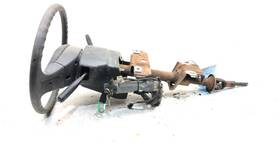
( Manufacturer Part Number: 4521012380 ), ( Part Type: Steering Station Manual ), ( Id: F30ea7e9-41d5-4fd7-ab87-2506d1125aea ), ( Interchange: 238-51952 )
Review TOYOTA 1988 92 Station Wagon Steering Column Assembly Manual fits COROLLA 1988-92–1990
The **Toyota 4521012380 Steering Column (Manual, 1988 1992 Corolla Station Wagon)** is a meticulously engineered, high-quality replacement part designed to restore the precise handling and reliability of your classic Toyota Corolla station wagon. This steering column assembly is a direct-fit, OEM-quality component, meticulously crafted to match the exact specifications of the original equipment used in Toyota s 1988 through 1992 model-year Corolla station wagons, including the 4A-GE and 4A-C engines. Built with durable materials such as high-grade steel and reinforced plastics, the steering column ensures smooth, responsive operation while maintaining structural integrity under regular driving conditions. The manual steering mechanism features a robust, self-adjusting mechanism that allows for effortless column height and tilt adjustments, providing optimal driver ergonomics and comfort. This part is fully compatible with the vehicle s electrical system, including the horn button and any integrated controls, ensuring seamless integration without the need for additional modifications. Whether replacing a worn-out original component or upgrading an older vehicle, this steering column delivers the same dependable performance that Toyota drivers have come to expect, blending functionality with the timeless reliability of Toyota s engineering legacy. Ideal for restoration projects, repairs, or simple maintenance, this part is a must-have for enthusiasts seeking to preserve the authenticity and performance of their 1988 1992 Corolla station wagon.
### **Pros and Cons of Buying a 1988-1992 Toyota Corolla Station Wagon (Steering Column Manual Shift, Part #4521012380)**
#### **Pros**
1. **Reliability and Durability** Toyota s Corolla from this era is known for its robust engineering, particularly in the drivetrain and chassis. Many of these vehicles were built to last, with fewer electronic failures compared to modern cars.
2. **Simplicity and Ease of Repair** The manual steering column shift mechanism is straightforward, making it easier to diagnose and fix common issues like binding or worn linkages. Many mechanics are familiar with this design, reducing repair costs.
3. **Low Cost of Ownership** Parts for this model are widely available and inexpensive. Labor costs are also lower than for newer vehicles, especially if you maintain it yourself or use independent mechanics.
4. **Fuel Efficiency** The 1.6L or 1.8L engines (depending on the year) were designed for efficiency, often achieving 25-35 MPG in the city and highway, making it cost-effective to operate.
5. **Classic Appeal and Nostalgia** If you enjoy vintage or retro vehicles, the Corolla station wagon from this era has a distinct charm. It s a practical yet fun-to-drive classic that stands out on the road.
6. **Proven Long-Term Performance** Many of these cars were built to last decades with proper maintenance. Some still run reliably after 30 years, especially if the engine and transmission were well-maintained.
7. **Manual Transmission Advantage** A manual transmission (even with a steering column shifter) can be more engaging to drive and often requires less maintenance than an automatic, though the steering column shift adds a unique (and sometimes quirky) challenge.
8. **Good Resale Value for Classics** While not as high as luxury or high-performance classics, well-documented Corollas from this era hold value among enthusiasts, especially if they re in good condition.
---
#### **Cons**
1. **Steering Column Shift Mechanism** The manual shift lever in the steering column is a novelty but can be impractical in certain situations. It requires precise hand positioning and can be awkward when parking or maneuvering in tight spaces. Some drivers find it uncomfortable for long trips.
2. **Potential for Wear in the Shift Mechanism** Over time, the linkages, cables, or bushings in the steering column shift can wear out, leading to a stiff or erratic shift. Replacing these parts can be tricky and may require specialized knowledge.
3. **Limited Modern Safety Features** This model lacks modern safety features like stability control, advanced airbag systems, or electronic braking assistance. It also has basic (or no) anti-lock brakes (depending on the year), which can be a concern in emergency stopping situations.
4. **Rust Concerns** Depending on where the car was driven, rust can be an issue, particularly in the wheel wells, frame rails, and floor pans. A thorough inspection is essential to avoid buying a car with structural corrosion.
5. **Electrical Reliability** While Toyota was strong in mechanical reliability, some 1988-1992 models had basic electrical systems that could fail over time (e.g., alternators, distributors, or wiring harnesses). The lack of modern diagnostics can make troubleshooting harder.
6. **Comfort and Modern Ergonomics** The seating, suspension, and interior materials are dated by today s standards. The ride may feel firmer than modern cars, and the cabin lacks noise insulation, making it noisier on highways.
7. **Limited Availability of Parts** While parts exist, some specialized components (e.g., steering column shift parts, rare interior trim) may be harder to find than for newer models. Stocking up on essentials (filters, belts, hoses) is advisable.
8. **Insurance and Registration Costs** Classic or older vehicles often have higher insurance premiums due to perceived risks or lower safety ratings. Registration fees may also be higher in some regions for non-standard vehicles.
9. **Maintenance Requirements** Even if the car is reliable, it will require regular upkeep (e.g., valve adjustments, distributor maintenance, fluid changes) to stay in good condition. Neglecting these can lead to costly failures.
10. **Driving Experience Limitations** The lack of power steering (on some models) and modern suspension tuning can make the car feel less refined than contemporary vehicles. The steering can be heavier, and the ride may be less comfortable over rough roads.
---
### **Conclusion**
The 1988-1992 Toyota Corolla station wagon with a steering column manual shift is a unique and practical choice for those who appreciate simplicity, reliability, and a touch of nostalgia. It offers excellent value for the money, low running costs, and a fun driving experience especially for enthusiasts who enjoy manual transmissions and classic designs. However, the steering column shift adds a layer of inconvenience, and the car s lack of modern safety and comfort features may not appeal to everyone.
If you prioritize **low cost of ownership, mechanical simplicity, and a quirky driving experience**, this Corolla could be an excellent purchase. On the other hand, if you **value modern safety, comfort, or ease of use**, you may find it limiting.
---
### **Recommendation**
**Buy this Corolla if:**- You are an enthusiast who enjoys classic or manual-shifted vehicles.
- You plan to maintain it regularly and are comfortable with some quirks (e.g., steering column shift).
- You want a reliable, low-cost daily driver or a project car with strong resale potential among collectors.
- You find the novelty of the steering column shift entertaining rather than frustrating.
**Avoid this Corolla if:**- You prioritize modern safety features, comfort, or ease of driving.
- You frequently drive in heavy traffic or need a car for long commutes where the steering column shift would be cumbersome.
- You are not prepared to inspect it thoroughly for rust, mechanical wear, or electrical issues before purchasing.
- You dislike the idea of occasional maintenance challenges (e.g., distributor, manual transmission adjustments).
**Final Advice:**- **Inspect the steering column shift mechanism** for smooth operation and wear.
- **Check for rust** in critical areas (frame, subframe, wheel wells).
- **Test the transmission and clutch (if manual)** for proper engagement and no unusual noises.
- **Verify the engine and transmission history** (oil changes, timing belt condition if applicable).
- **Budget for potential upgrades** (e.g., modern wiring, safety features, or comfort improvements if desired).
If you re willing to embrace its quirks and maintain it properly, this Corolla can be a rewarding and economical vehicle. Otherwise, consider a newer manual-shifted Toyota (like a Corolla from the late 1990s or early 2000s) for a balance of nostalgia and modern practicality.
Details:
TOYOTA COROLLA ALSO SEE FX 87-88 90-91 Floor Shift, Cape, w/o tilt wheel; manual steering. This part will fit the following: TOYOTA COROLLA ALSO SEE FX 87-88-89 Floor Shift, w/o tilt wheel; manual steering.
part #: 4521012380 price
- $285.00
specifications steragebo:
- for models: Corolla
- for makes: Toyota
- for years: 1988-92-1990
- mpn: 4521012380
- part type: Steering Station Manual
- id: F30ea7e9-41d5-4fd7-ab87-2506d1125aea
- interchange: 238-51952
general steragebo:
- condition: Used
- Car Truck Parts Accessories > Steering Suspension > Gearboxes, Rack Pinions
offer steragebo:
- started: April 3, 2026
- availability: In Stock
- best offers: True
- options: Ship-to-home
- sold: 0
- quantity: 1
payments steragebo:
- credit card: Visa
- other
- wallet: Paypal
shipping steragebo:
- transit: 4-7 Days
- cost: $0.00
- service: Standard
- type: Fixed
- class: Standard
returns steragebo:
- policy: Returns Accepted
- paid by: Seller
- time: 30 Days
seller steragebo:
- rating: 99.5%
- # reviews: 15539
- city: Brush, Colorado
Toyota 4521012380 Is Similar To:
- 00 01 Toyota Camry Steering (34% similar) Our team strives for your satisfaction and to help please business with us. 01 toyota Camry steering gear rack pinion 4 Cl oem part: came off of a 2001 engine and an automatic transmission condition: visually inspected or tested for quality assurance, has some wear on it due to normal use. No ...(January 8th, 2018)
- 04445-12150 Toyota Genuine Gasket Kit Power Steering Corolla Levin (34.5% similar) Fits corolla, Levine, tureen, sprinter street solutions up for sale is a oem toyota power steering gasket kit part number please message me with the parts you are interested in, and I will create an listing...(September 9th, 2018)
- 0445528061 Toyota Oem Steering Gear-seal (35.3% similar) Right is passenger side. Left is drivers side. All parts are in genuine packages, brand new sealed condition. Please double check item specifications...(May 24th, 2017)
- 0fzkh5 Maxpeedingrods Power Steering Rack And Pinion Assembly Fit Toyota Tacoma (38% similar) If you paid item shipped on est. 2ND at 5:00AM APR. How much does delivery cost and long will it take. Opening hours: 7X24 hours, always here for you. 7TH after APR. Favorite search...(May 29th, 2018)
- 0y250809 J08 Toyota Prius Steering (31.9% similar) Toyota Prius steering gear rack and pinion oem used tie rod bent on one side needs to be changed part number must match please double check all pictures ask questions quick reply. Phone: recent additions. Unless stated otherwise all our body parts are used and may have some damage, scuffs scratches...(August 20th, 2017)
- 12104952 Aftermarket Products New Steering Rack For Toyota (32.1% similar) The items are brand new parts that look and fit same as original, except at a much better price...(December 22nd, 2018)
- 12104953 Aftermarket Products New Steering Rack For Toyota (30.7% similar) The items are brand new parts that look and fit same as original, except at a much better price...(April 16th, 2018)
- 19730042788 Toyota Camry Steering Column Intermediate Shaft Upper Section Only (38.2% similar) Kindly ask questions before offer ends. No exception. Free shipping is within the continental us...(March 30th, 2018)
- 2004 06 Toyota Corolla Power (33.6% similar) If an item arrives damaged, please via message within 24 hours for instructions. No expedited shipping available. No expedited shipping available...(February 13th, 2018)
- 2005 Toyota Matrix Steering Column (46% similar) If needed something else asap before purchasing. Price will not be same unless stated. Warranty does not cover negligence or abuse of unit. If heat tabs are melted or removed, warranty void. Please inquire before making a purchase. Air bag: this bag must be installed and inspected by a factory ...(June 15th, 2017)
- 244-0118 4425006011 Kmotor Power Steering Rack And Pinion For Toyota 711766896249 (30% similar) Hope you can understand...(March 30th, 2019)