NISSAN 490016CA1C Rack Pinion Dual Electric Powe
fits model: Altima. make: Nissan. year: 2020.
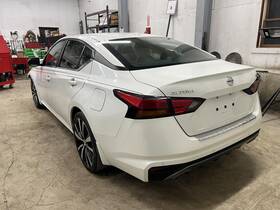
( Manufacturer Part Number: 490016CA1C ), ( Manufacturer Warranty: 6 Month ), ( Core Charge: 1.00 Which Is Included In The Total Price ), ( Genuine Oem: Yes ), ( Seller Notes: 52k, Sr ), ( Interchange Item Code: 551 ), ( Color: White ), ( Compatibility: Altima 19-20, Sr ), ( Type: Rack And Pinion Assembly )
Review NISSAN Used Rack And Pinion Assembly Dual Electric Powe fits ALTIMA 2020
The **Nissan 490016CA1C Rack and Pinion Assembly** is a precision-engineered component designed exclusively for the **2020 Nissan Altima** with **dual electric power steering (EPS)**, serving as the backbone of the vehicle s front-end steering system. This high-performance assembly integrates a **rack-and-pinion mechanism**, a proven technology that delivers smooth, responsive, and efficient steering feedback while minimizing effort for the driver. Crafted from durable **high-strength steel**, the rack is machined to exacting tolerances to ensure optimal alignment and longevity, even under the demanding conditions of daily commuting, highway driving, or spirited maneuvering. The pinion gear, a critical component, meshes seamlessly with the rack s teeth, converting rotational input from the steering column into linear motion, allowing for precise wheel adjustments with minimal play or resistance. This assembly is engineered to withstand the rigors of modern driving, including exposure to road debris, temperature fluctuations, and the constant forces exerted during turns, parking, and emergency maneuvers.
What sets this rack and pinion apart is its **integrated dual electric power steering (EPS) compatibility**, ensuring seamless integration with the Altima s advanced steering assist system. The EPS motor, mounted within the assembly, provides variable power assistance based on driving conditions delivering effortless steering at low speeds for parking and tight turns while offering a more tactile, direct feel at highway speeds for enhanced control and driver engagement. The system is designed to reduce steering effort by up to **80%**, reducing driver fatigue during long drives and improving overall maneuverability. Additionally, the rack and pinion assembly incorporates **corrosion-resistant coatings** and **sealed bearings** to protect against moisture, road salt, and contaminants, extending the lifespan of the component and maintaining optimal performance over thousands of miles.
For mechanics and DIY enthusiasts, this rack and pinion assembly is a **direct-fit replacement**, designed to drop right into the 2020 Altima s steering linkage without requiring modifications to the steering column, tie rods, or suspension components. Its **universal compatibility** with the vehicle s steering rack mounts and tie-rod connections ensures a straightforward installation, reducing labor time and potential compatibility issues. The assembly is backed by **Nissan s stringent quality standards**, guaranteeing that every component from the rack s internal teeth to the EPS motor s wiring harness meets or exceeds OEM specifications. Whether replacing a worn-out original part or upgrading for improved durability, this rack and pinion assembly offers a **reliable, high-performance solution** that restores the Altima s steering precision, safety, and driving dynamics to factory specifications.
**Pros and Cons of Buying a 2020 Nissan Altima with Dual Electric Power (CVT Electric Assist)**
### **Pros**
1. **Hybrid Efficiency and Fuel Savings**
The dual-electric powertrain combines a traditional CVT with an electric motor, improving fuel economy compared to a standard gasoline engine. This can lead to lower operating costs, especially for daily commuters or those driving moderate distances.
2. **Reduced Emissions**
The electric assist component lowers tailpipe emissions, which may appeal to environmentally conscious buyers or those in areas with stricter emissions regulations.
3. **Smooth and Responsive Driving Experience**
The electric motor provides instant torque, resulting in quicker acceleration off the line compared to a conventional CVT. This can make the Altima feel more engaging in stop-and-go traffic or when overtaking.
4. **Potential Long-Term Cost Benefits**
If fuel prices remain high, the hybrid system could offset some of the higher upfront cost over time. Additionally, hybrid vehicles may qualify for tax incentives or rebates in certain regions.
5. **Nissan s Reliability and Warranty Coverage**
Nissan offers a standard warranty (typically 3 years/36,000 miles) and an extended powertrain warranty (5 years/60,000 miles) for hybrids, which provides added peace of mind. The CVT and hybrid components are backed by these warranties, reducing long-term repair risks.
6. **Comfortable and Practical Interior**
The Altima offers a spacious cabin with modern amenities, including a user-friendly infotainment system, available Apple CarPlay/Android Auto, and comfortable seating. The hybrid powertrain doesn t sacrifice interior space or cargo capacity.
7. **Lower Maintenance Compared to Traditional Engines**
Hybrid systems have fewer moving parts than conventional engines, which can reduce wear and tear on components like the transmission, clutch, and exhaust system. This may lead to lower maintenance costs over time.
8. **Resale Value Stability**
Hybrid vehicles often hold their value better than non-hybrid counterparts, which could benefit the owner if they decide to sell or trade in the Altima later.
---
### **Cons**
1. **Higher Upfront Cost**
The dual-electric powertrain increases the vehicle s price compared to a standard gasoline Altima. This may be a barrier for budget-conscious buyers who prioritize affordability over efficiency.
2. **Complexity and Potential Reliability Concerns**
Hybrid systems are more complex than traditional powertrains, which means higher repair costs if issues arise. While Nissan s warranty helps mitigate this, hybrid-specific problems (e.g., battery degradation, inverter failures) could be costly outside warranty coverage.
3. **Battery Degradation Over Time**
Hybrid batteries degrade with age and mileage, though modern systems are designed to last the lifetime of the vehicle (typically 10 15 years or 150,000 200,000 miles). If the battery fails prematurely, replacement costs can range from $2,000 to $4,000 or more.
4. **Limited Performance for Enthusiasts**
While the electric assist improves acceleration, the Altima s hybrid powertrain is not designed for high-performance driving. The CVT lacks the precision and engagement of a manual or traditional automatic transmission, and the electric motor s contribution is modest compared to full hybrids or plug-in hybrids.
5. **Charging Infrastructure Limitations**
Unlike plug-in hybrids (PHEVs), this Altima does not have a charging port, meaning the electric motor relies solely on regenerative braking and the gasoline engine. This limits the vehicle s ability to run on electric power alone, reducing its "green" appeal compared to PHEVs.
6. **Potential for Higher Insurance Costs**
Hybrid vehicles can sometimes have higher insurance premiums due to their advanced technology and repair costs. This may offset some of the fuel savings.
7. **Resale Value May Not Fully Offset Higher Purchase Price**
While hybrids generally retain value well, the resale value may not always justify the premium paid upfront, especially if the market shifts or hybrid technology evolves rapidly.
8. **Limited Availability of Parts and Mechanics**
Finding a mechanic experienced with hybrid systems can be challenging, particularly outside major cities. This may require additional research or travel to specialized repair shops.
---
### **Conclusion**
The 2020 Nissan Altima with dual-electric powertrain is an attractive option for buyers who prioritize fuel efficiency, lower emissions, and a smooth driving experience without the need for plug-in charging. It offers a practical compromise between a conventional car and a full hybrid, making it ideal for daily drivers who want to save on fuel costs without sacrificing reliability or comfort.
However, the higher purchase price, potential long-term maintenance risks, and complexity of hybrid systems must be carefully considered. If you drive mostly in city traffic, have a long commute, or want to reduce fuel expenses, the Altima s hybrid system could be a worthwhile investment. On the other hand, if budget is a primary concern or you prefer a simpler, more traditional powertrain, a standard Altima or another hybrid model with plug-in capability might be a better fit.
### **Recommendation**
**Buy the 2020 Nissan Altima with dual-electric powertrain if:**- You prioritize fuel efficiency and lower operating costs.
- You drive primarily in urban or stop-and-go conditions.
- You value Nissan s warranty coverage and reliability.
- You are willing to pay a premium for the hybrid benefits and don t mind the added complexity.
**Avoid or reconsider if:**- You are on a tight budget and cannot afford the higher upfront cost.
- You prefer a more traditional driving experience or higher performance.
- You plan to drive very long distances frequently, as the fuel savings may not justify the premium.
- You are uncomfortable with the idea of potential hybrid-specific repairs or battery replacement costs.
For buyers who want a hybrid without the complexity of a plug-in, this Altima is a solid choice. However, always conduct a thorough inspection (preferably by a hybrid-savvy mechanic) and compare it with other models in your budget to ensure it meets your needs.
Details:
All parts are covered by warranty. Parts go back into cars rather than landfill. Original parts mean a perfect fit. His father Brian is still actively involved in the business and spends his time back garage rebuilding drive train parts maintaining fleet of delivery trucks equipment.
Unless specified as Universal this is a direct fit Rack and Pinion Assembly. This part fits vehicles made in the following years 2019, 2020. Dual pinion electric power steering SR. A lot has changed since then.
Every part is cleaned, tested and inspected by experts.
part #: 490016ca1c prices
- $109.99-$295.00
specifications steragebo:
- for models: Altima
- for makes: Nissan
- for years: 2020
- mpn: 490016ca1c
- manufacturer warranty: 6 Month
- core charge: 1.00 Which Is Included In The Total Price
- genuine oem: Yes
- seller notes: 52k, Sr
- interchange item code: 551
- color: White
- compatibility: Altima 19-20, Sr
- type: Rack And Pinion Assembly
seller steragebo:
- city: Litchfield, Connecticut
- # reviews: 697
- rating: 98.4%
payments steragebo:
- wallet: Google-pay
- other
- credit card: Mastercard
offer steragebo:
- options: Ship-to-home
- sold: 0
- started: March 24, 2026
- quantity: 1
- availability: In Stock
- best offers: True
shipping steragebo:
- service: Flat Rate Freight
- type: Fixed
- class: Freight
- cost: $0.00
general steragebo:
- Car Truck Parts Accessories > Steering Suspension > Gearboxes, Rack Pinions
- condition: Used
returns steragebo:
- time: 60 Days
- policy: Returns Accepted
- paid by: Seller
Nissan 490016CA1C Is Similar To:
- 02 03 04 Nissan Altima (24.8% similar) Color or trim codes, if present for each part, are available upon request. Please directly to make arrangements. Nissan altima steering column six month money back guarantee. Please directly to make arrangements. Please see the individual item listing for more details...(April 6th, 2017)
- 200-986 Nissan Datsun Steering Rack Bushing Mount Right Oem New (32.9% similar) New oem genuine nissan steering rack bushing for the right side. Will fit Dotson 280ZX, with steering rack...(April 11th, 2018)
- 26065071 Nissan Hardbody Steering Rack And Pinion Reman Oem (43.7% similar) A AC1318329LT. How SCLNK1 lt : web...(July 8th, 2018)
- 27-8415 Cardone Industries Steering Reman Fits Nissan Frontier 082617623131 (17.7% similar) Features and benefits: units are supplied with 100 tested calibrated pressure relief valves for guaranteed performance marketing : a1 Cardin remanufactured steering gears the component within a cars system that guides wheels movement in conjunction direction wheel is rotated, helping achieve ideal ...(February 28th, 2018)
- 310-0150 Bbb Industries Nissan Sentra Complete Power Steering Rack Pinion Assembly (35.2% similar) We keep a huge selection of ready-to-go parts in stock and offer fast free delivery so that you don't have to lose any time while are working on your vehicle...(March 25th, 2019)
- 348675 Gates Rack And Pinion Seal Kit Fits Nissan (47% similar) Rack and pinion seal kit fits nissan 240SX gates price is for 1 - adjust qty as needed...(September 5th, 2018)
- 349620 Gates Steering Gear Seal Kit Fits Nissan Frontier Xterra (20.5% similar) Steering gear seal kit fits nissan frontier,Terra gates price is for 1 - adjust qty as needed. This part fits vehicles made in the following years 1999 , 20 2001 , 2002 , 2003 , 2004 , 2005 , 2006 , 2007 , 2008 , 2009 , 2010 . Brands: AcDelco base new, non-gm, outline industries, inc...(March 13th, 2018)
- 351950 Gates Rack And Pinion Seal Kit Fits Nissan (45.5% similar) Rack and pinion seal kit fits nissan 280ZX gates price is for 1 - adjust qty as needed...(June 24th, 2018)
- 439 38128 602 Wd Express Steering Lower Fits Nissan Altima (18.4% similar) All parts come with a 1-YEAR warranty and 30-DAY return period. That section provides detailed information about the part and compatible vehicles...(May 20th, 2018)
- 45g22094 Acdelco Professional Rack And Pinion Mount Bushing Fits Nissan Quest (42.5% similar) Brands: Moog, NASCAR advantage, rare parts inc...(April 26th, 2018)
- 48001-em30a Nissan Rack And Pinion (37.6% similar) Contact for any questions. New part, old stock...(November 25th, 2018)