AUDI 4B1422053 Power Steering Gear Rack Pinion Tie Rods
fits make: Audi. year: 2002–2004.
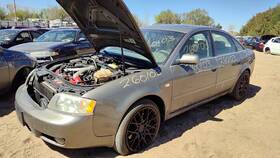
( Manufacturer Part Number: 4B1422053 ), ( Model: AUDI-A6 ), ( Part Type: Steering Pinion Tie Gear Rack Rod ), ( Id: 7b081c1f-f8bf-4644-9f7d-6bf1bf68e145 ), ( Interchange: 551-59031 )
Review AUDI Power Steering Gear Rack And Pinion Oem Tie Rods fits A6 2002–2004
The **Audi A6 (4B1, 2002 2004) Power Steering Gear, Rack, Pinion, and Tie Rod Assembly** represents a critical component of the vehicle s steering system, engineered to deliver precise, responsive, and effortless handling while ensuring long-term durability. This high-performance steering rack, originally manufactured for Audi s flagship sedan, is designed to integrate seamlessly with the 4B1 platform s front-wheel-drive architecture, featuring a compact yet robust construction that balances weight efficiency with structural integrity. The rack itself is crafted from high-grade steel, reinforced with precision-machined internal components to minimize play and maximize stability, making it ideal for both urban commuting and highway cruising. The pinion, a key element of the rack-and-pinion system, is meticulously ground to ensure smooth engagement with the rack s helical teeth, reducing friction and preventing premature wear critical for maintaining the A6 s renowned steering feel. Complementing the rack are the tie rods, which extend from the steering gear to the front wheels, transmitting steering inputs with minimal lag. These components are often paired with ball joints and control arms to form a complete front suspension assembly, ensuring accurate wheel alignment and optimal tire contact with the road.
For Audi enthusiasts seeking a direct replacement or an upgrade, this steering gear assembly is a direct-fit solution, designed to replicate the performance and reliability of the original equipment manufacturer (OEM) parts. The 2002 2004 A6 models, particularly those equipped with the 2.8L V6 or 3.0L V6 engines, rely on this system to achieve the brand s signature blend of sporty agility and refined comfort. The rack s design incorporates hydraulic power assistance (where applicable) or, in later models, electric power steering (EPS) compatibility, depending on the specific variant, ensuring that drivers experience the same level of effortless control as the factory specification. When sourced from reputable aftermarket suppliers, these components are often backed by rigorous testing to meet or exceed Audi s stringent quality standards, including corrosion resistance treatments and precise machining tolerances to prevent premature failure.
Beyond its functional excellence, this steering system plays a pivotal role in the A6 s overall driving dynamics. The rack s linear motion design allows for a wide range of steering angles, enhancing maneuverability in tight spaces while maintaining stability at higher speeds. The tie rods, in particular, are engineered to accommodate slight adjustments for alignment, ensuring that the wheels remain properly positioned for optimal tire wear and handling performance. Whether used in a restoration project, a performance modification, or as a direct replacement for a worn-out original part, this steering gear assembly is a testament to Audi s engineering precision, offering a blend of durability, responsiveness, and reliability that keeps the A6 s driving experience sharp and engaging. For those prioritizing authenticity, this component is an essential upgrade to preserve the vehicle s original character while extending its lifespan under demanding conditions.
### Pros and Cons of Buying a 2002-2004 Audi A6 (4B1422053) Power Steering Gear, Rack, Pinion, and Tie Rods
#### **Pros:**1. **Improved Steering Feel and Precision** Replacing worn or damaged components restores smooth, responsive steering, enhancing overall driving dynamics. The rack and pinion system in modern vehicles like the A6 is designed for better accuracy compared to older ball-and-socket setups.
2. **Enhanced Safety** Faulty power steering components can lead to erratic steering, reduced control, or even failure, increasing the risk of accidents. Replacing them ensures predictable handling, especially important for larger vehicles like the A6.
3. **Prevents Further Damage** Ignoring worn tie rods or a failing rack can lead to misalignment, excessive play in the steering wheel, or damage to suspension components (e.g., ball joints, control arms). Replacing them proactively avoids costly repairs down the line.
4. **Compatibility with Modern Upgrades** If you plan to modify the A6 (e.g., lowering, suspension tuning, or performance upgrades), fresh steering components ensure compatibility and prevent interference with aftermarket parts.
5. **Long-Term Reliability** Audi s rack-and-pinion systems (when properly maintained) are durable. Replacing worn parts extends the lifespan of the steering system, reducing the likelihood of sudden failures.
6. **Better Alignment and Tire Wear** Misaligned tie rods or a worn rack can cause uneven tire wear, reducing fuel efficiency and increasing maintenance costs. Replacing them ensures proper wheel alignment, prolonging tire life.
7. **Resale Value Protection** A well-maintained A6 with updated steering components retains better resale value than one with neglected or failing parts.
---
#### **Cons:**1. **Cost** Replacing the rack, pinion, tie rods, and related components can be expensive, especially if labor costs are high. The Audi A6 s rack-and-pinion system is more complex than basic tie rod replacements, requiring skilled labor.
2. **Potential for Hidden Issues** If the rack or pinion is seized or damaged internally, a simple replacement may not fully resolve the problem. Additional diagnostics (e.g., checking for fluid leaks, internal wear, or contamination) may be needed.
3. **Compatibility Concerns** Aftermarket parts may not fit perfectly, leading to binding, excessive play, or premature wear. High-quality OEM or reputable aftermarket brands (e.g., Febi Bilstein, Meyle, or Audi-specific replacements) are recommended to avoid issues.
4. **Labor-Intensive Installation** The A6 s rack-and-pinion system is located near the front wheels and may require removing the wheel, caliper, and sometimes the brake rotor for access. Tie rod replacements also involve wheel removal and alignment adjustments.
5. **Alignment Required** After replacing tie rods or the rack, a professional wheel alignment is necessary to ensure proper handling. This adds to the cost and time required for the job.
6. **Potential for Recurring Problems** If the underlying cause of failure (e.g., contaminated power steering fluid, internal rack wear, or improper installation) isn t addressed, the new components may fail sooner than expected.
7. **Limited DIY Feasibility** While experienced DIYers can replace tie rods, the rack-and-pinion system is more complex and often requires specialized tools (e.g., rack pullers, torque wrenches, and alignment equipment). Improper installation can lead to steering issues.
---
### **Conclusion:**Replacing the power steering rack, pinion, and tie rods in a 2002-2004 Audi A6 is a **necessary investment** if these components are worn, leaking, or causing handling issues. The benefits improved safety, steering precision, and long-term reliability far outweigh the drawbacks for most owners. However, the cost and complexity of the job mean it should be approached with care, ideally by a trusted mechanic or Audi specialist.
If the vehicle is a daily driver or you plan to keep it for the long term, prioritizing these replacements is wise. For a project car or a vehicle with high mileage, weigh the cost against the car s overall condition if other major repairs are pending, it may be more economical to consider a different Audi model or a used one with known service history.
---
### **Recommendation:**1. **Verify the Exact Issue** Before purchasing parts, confirm whether the rack, pinion, or tie rods are the root cause of the problem. Audi s rack-and-pinion systems can fail due to fluid leaks, internal wear, or contamination. A diagnostic check (e.g., testing for excessive play, fluid leaks, or unusual noises) is essential.
2. **Choose Quality Parts** Opt for **OEM Audi parts** or high-quality aftermarket alternatives (e.g., Febi Bilstein, Meyle, or Bosch). Avoid cheap, no-name replacements that may fail prematurely. If possible, select parts with a warranty.
3. **Hire a Professional** Unless you have extensive mechanical experience, have a **certified Audi technician** perform the installation. Proper alignment and torque specifications are critical for safe operation.
4. **Budget for Additional Costs** Account for labor, alignment, and potential additional repairs (e.g., if the rack mount or bushings are worn). A full steering system overhaul can range from **$800 to $2,000 **, depending on the shop and parts chosen.
5. **Consider Alternatives** If the A6 s steering system is chronically problematic (common in some models due to design flaws), research whether other Audi models (e.g., A4 B8, S6, or newer A6) offer more reliable rack-and-pinion setups before committing to extensive repairs.
6. **Maintain the System** After replacement, **check power steering fluid levels regularly** and follow Audi s maintenance schedule to prevent future issues. Contaminated fluid is a leading cause of rack failure.
**Final Verdict:** If the components are confirmed to be the problem and the car is otherwise sound, replacing them is a **worthwhile upgrade** that enhances safety and driving enjoyment. However, proceed with caution, prioritize quality parts, and ensure professional installation to avoid costly mistakes.
Details:
AUDI A6 02-04 Power Rack and Pinion, 4.2L. Model: AUDI A6. AUDI A6 02-04 Power Rack and Pinion, 3.0L, variable assist Strong.
part #: 4b1422053 prices
- $215.90-$365.00
specifications steragebo:
- for makes: Audi
- for years: 2002-2004
- mpn: 4b1422053
- model: Audi-a6
- part type: Steering Pinion Tie Gear Rack Rod
- id: 7b081c1f-f8bf-4644-9f7d-6bf1bf68e145
- interchange: 551-59031
payments steragebo:
- credit card: Discover
- wallet: Apple-pay
- other
offer steragebo:
- started: April 16, 2026
- availability: In Stock
- quantity: 1
- best offers: True
- options: Ship-to-home
- sold: 0
shipping steragebo:
- transit: 2-5 Days
- service: Standard
- type: Fixed
- class: Standard
- cost: $0.00
returns steragebo:
- paid by: Seller
- policy: Returns Accepted
- time: 30 Days
general steragebo:
- Car Truck Parts Accessories > Steering Suspension > Gearboxes, Rack Pinions
- condition: Used
seller steragebo:
- rating: 99.5%
- city: Brush, Colorado
- # reviews: 15842
Audi 4B1422053 Is Similar To:
- 07p109210b Audi Oem 12-15 A8 (19.2% similar) Through Fri...(November 3rd, 2017)
- 0jvedm Maxpeedingrods Power Steering Rack And Pinion For Audi Servotronic (48.3% similar) 7TDI door lock latch actuator rear left for audi a3 a6 s6 c6 a8 s8 fit seat EEO front wheel bearing hub Opel sign um hatchback VKBA6507 31MM. Our mechanic will inspect every return item. Return items must be in original condition. For example, you paid at 11AM on Nov...(December 2nd, 2018)
- 141976470 Audi Steering Assist Not Rack And Pinion (47.6% similar) Steering assist for audi a5 to original part...(January 19th, 2019)
- 19730050745 Audi Quattro Power Steering Gear Rack And Pinion Oem (64.3% similar) Please inquire when providing commercial address. If item is shipped through greyhound, once shipped, it cannot be rerouted. If commercial address is considered as restricted access, theres an extra charge around 80 varies by carrier. No exception. Kindly ask questions before offer ends. 48 states ...(August 30th, 2018)
- 1k0423812e 1k0 423 812 E 812e Audi Right Steering Tie Rod Boot (31.9% similar) 5LYEAR 2008 MAKEVOLKSWAGEN model R32TRIMHATCHBACKENGINE3. TURBOYEAR2007- 2008 MAKEVOLKSWAGEN model EOSTRIMCONVERTIBLEENGINE2. 2005 VOLKSWAGENJETTASEDAN, WAGON1. . TURBO2010-. 8l turbo, 2013 VOLKSWAGENGOLF SPORTWAGENWAGON2. TURBOYEAR2012MAKEAUDI model A3, a3 , HATCHBACKENGINE1. 4l turbo, . 2L 2008...(May 31st, 2018)
- 1k0423933 Audi Oem Steering Bellows Clamp (32.5% similar) 0t sport utility 4-DOOR, 30 anniversary hatchback 2-DOOR, ambient sedan attraction convertible plus avaunt wagon base coupe Cabrini cabriolet competition dynamic edition elite hybrid prestige comfort l premium TD W12 land of quarto Le luxury performance progressive Ross line select high sport back ...(October 14th, 2018)
- 440 54044 054 Wd Express Rack And Pinion Bellows Fits Audi (46.3% similar) All parts come with a 1-YEAR warranty and 30-DAY return period. That section provides detailed information about the part and compatible vehicles...(May 24th, 2018)
- 4b0422875 Audi Oem 02-09 A4 (19.4% similar) ...(November 7th, 2017)
- 4b1422066c Audi Oem Power Steering Rack No Leaks Tested (56.5% similar) 7t oem power steering rack 4B1422066C no leaks. Any questions please a before purchase. 7t and has the electronic sensor located on rack itself...(August 5th, 2018)
- 4b1422066m 4b1 422 066 M 066m Power Steering Rack Gear Audi Allroad (44.8% similar) Power steering rack gear - audi a6 all road s6 4B1422066M...(December 26th, 2018)
- 4b1422071 Audi Allroad A6 2.7l Steering (36.5% similar) Quality first. Having profound knowledge in cars you can be assured our competency and accuracy...(January 18th, 2017)