JEEP 52002139 Steering Column Tilt
fits model: Wagoneer, Grand. make: Jeep. year: 1984–1985.
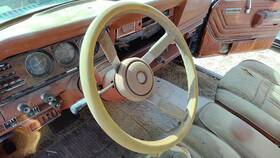
( Manufacturer Part Number: 52002139 ), ( Part Type: Steering ), ( Id: 2b2a606c-9cb3-47b1-b528-487f8c07c6e3 ), ( Interchange: 238-542 )
Review JEEP Steering Column Nice Tight Assembly Oem Tilt fits WAGONEER GRAND 1984–1985
The **1984-1985 Jeep Wagoneer Steering Column Tilt (Part #52002139)** is a meticulously crafted, high-quality replacement component designed to restore the ergonomic adjustability and functionality of the iconic Wagoneer s steering column. This part is engineered to fit seamlessly into the classic Jeep Wagoneer models from 1984 through 1985, ensuring a precise and secure installation that matches the original equipment manufacturer (OEM) specifications. The steering column tilt mechanism is built with durable, corrosion-resistant materials, including sturdy metal linkages and reinforced bushings, to withstand the demands of daily driving while maintaining smooth, effortless adjustments. Whether you re navigating tight parking spaces, fine-tuning your driving position for comfort, or simply preserving the Wagoneer s legendary build quality, this tilt mechanism delivers reliable performance. Its design incorporates a robust pivot system that allows for precise vertical and horizontal adjustments, ensuring optimal driver positioning without compromising steering responsiveness. Ideal for restoration projects, custom builds, or routine maintenance, this part is a testament to Jeep s engineering heritage, offering a perfect blend of functionality and durability. With its straightforward installation and compatibility with aftermarket and OEM accessories, the **52002139 steering column tilt** is an essential upgrade for any Wagoneer owner seeking to enhance both the vehicle s usability and its classic appeal.
### Pros and Cons of Buying a 1984-1985 Jeep Wagoneer (VIN 52002139) with Steering Column Tilt
#### **Pros**
1. **Classic Rugged Design and Build**
The 1984-1985 Jeep Wagoneer is a well-built, full-size SUV with a reputation for durability. Jeep s early 1980s models were designed for off-road capability, featuring solid axles, a high ground clearance, and a robust frame. This makes them reliable for both on-road and light off-road use, especially if maintained properly.
2. **Strong Engine Options**
The Wagoneer from this era typically came with Jeep s **304 cubic inch (5.0L) V8 engine**, which was a solid performer for its time. This engine was known for its longevity if properly maintained, producing around **170-180 horsepower** and **250-260 lb-ft of torque**. It paired well with Jeep s **3-speed automatic transmission** (or the optional **4-speed manual** in some models), providing decent towing and hauling capacity for its era.
3. **Spacious and Practical Interior**
The Wagoneer was one of the first true SUVs, offering a large cargo area and seating for up to seven passengers (depending on configuration). The interior was roomy by 1980s standards, with a bench seat in the front and a bench or bucket seats in the rear. The steering column tilt feature (common in luxury vehicles of the time) adds to driver comfort, reducing strain during long drives.
4. **Luxury and Comfort Features**
The Wagoneer was marketed as a luxury SUV, and the 1984-1985 models included amenities such as:- **Power windows, locks, and mirrors**
- **Cruise control** (optional)
- **Climate control** (optional)
- **Leather or vinyl upholstery** (depending on trim)
- **Wood or vinyl trim accents**
These features made it a more refined choice compared to other SUVs of the era, such as the early Ford Bronco or Chevrolet Blazer.
5. **Strong Resale Value for Classics**
Jeep Wagoneers from the early 1980s are considered classic vehicles, especially in well-maintained condition. While not as valuable as a restored Jeep Cherokee or Wrangler, they hold their own in the collector market. A properly documented and restored example could appreciate over time, particularly if it retains originality or has desirable options.
6. **Off-Road Potential**
The Wagoneer was designed with off-roading in mind, featuring:- **Solid front and rear axles** (no independent suspension like later SUVs)
- **High ground clearance** (around 8-9 inches)
- **Optional four-wheel drive** (though not standard on the Wagoneer it was more common on the Jeep Grand Wagoneer or Cherokee)
- **Heavy-duty suspension** for rough terrain
With some modifications (e.g., lift kits, locking differentials, or skid plates), it can handle light to moderate off-roading. However, it lacks the modern capabilities of a Wrangler or newer SUVs.
7. **Nostalgia and Community**
Jeep enthusiasts, particularly those who appreciate the pre-1990s era, often seek out Wagoneers for their vintage charm. Owning one connects you to a community of classic Jeep lovers who share restoration tips, parts, and event participation (e.g., Jeep Jamborees). This can be a rewarding aspect of ownership beyond just the vehicle itself.
---
#### **Cons**
1. **High Maintenance Requirements**
The 1984-1985 Wagoneer is not a "set it and forget it" vehicle. Its age means it requires **regular, thorough maintenance** to stay reliable. Key areas of concern include:
- **Engine**: The 304 V8 is robust but prone to **head gasket leaks**, **valve stem seals**, and **distributor issues** if not maintained. Oil changes should be done every **3,000-5,000 miles** (or as recommended by a Jeep specialist) to prevent sludge buildup.
- **Transmission**: The 3-speed automatic (A904) can develop **slippage** or **rough shifting** over time. Fluid changes are critical, and some owners opt for a **rebuild or upgrade** to a modern transmission.
- **Suspension**: The solid axles and leaf springs are durable but can wear out, leading to **rough rides** or **alignment issues**. Bushings and shocks may need frequent replacement.
- **Brakes**: Drum brakes (standard) are less efficient than discs and require more maintenance. Upgrading to discs is common for safety and performance.
- **Electrical System**: Older Jeeps often suffer from **corrosion in wiring harnesses**, **failing alternators**, and **battery issues**. The electrical system may need **re-wiring or upgrades** to modern standards.
2. **Rust and Corrosion**
Many early 1980s Jeeps, especially those driven in snowy or salted climates, suffer from **rust**. Critical areas to inspect include:- **Rocker panels** (sides of the frame)
- **Wheel wells**
- **Floor pans**
- **Exhaust system**
Rust can compromise structural integrity, leading to **frame rot** or **leaking fuel tanks**. A thorough inspection (or a **rust-proofing treatment**) is essential before purchase.
3. **Poor Fuel Economy**
The 304 V8 is thirsty by modern standards, averaging **around 12-15 MPG combined**. This makes the Wagoneer expensive to operate, especially for daily driving. If fuel efficiency is a priority, a modern SUV or truck would be a more practical choice.
4. **Limited Modern Safety Features**
The 1984-1985 Wagoneer lacks **modern safety standards**, such as:- **Anti-lock brakes (ABS)**
- **Airbags** (only the driver s side was standard; passenger airbags were added later)
- **Stability control**
- **Electronic stability control**
- **Modern seat belts or crumple zones**
Driving one today requires **extra caution**, especially in collisions or high-speed situations. Insurance may also be more expensive due to these limitations.
5. **Parts Availability and Cost**
While Jeep parts are widely available, **older models like the Wagoneer can be expensive** to maintain. Specialty parts (e.g., **distributor, carburetor, or suspension components**) may require **custom orders or extended lead times**. Labor costs for classic Jeeps can also be higher, as not all mechanics specialize in them.
- **OEM parts** (original equipment manufacturer) are often the best choice for longevity but can be costly.
- **Aftermarket parts** (e.g., **Mopar, Holley, or Bilstein**) can be cheaper but may not always fit perfectly.
6. **Driving Experience**
The Wagoneer s **solid axles and leaf springs** create a **bouncy, less refined ride** compared to modern SUVs with independent suspension. It can feel **less stable at highway speeds** and may require **more driver input** to handle smoothly.
- **Steering feel** is heavy by today s standards, and power steering (if equipped) may wear out.
- **Noise levels** can be high, especially with worn suspension or body panels.
7. **Resale Value and Practicality**
While the Wagoneer holds its own as a classic, it is **not a practical daily driver** for most people today. Its **fuel inefficiency, high maintenance, and lack of modern amenities** make it less appealing for everyday use. If you sell it in the future, you may not recover as much as you invested in repairs and modifications.
8. **Potential Hidden Issues**
Buying a used classic like this requires **extensive due diligence**. Common hidden problems include:- **Frame damage** (from rust or accidents)
- **Transmission leaks** (leading to slippage)
- **Exhaust leaks** (carbon monoxide risk)
- **Electrical gremlins** (failing gauges, lights, or sensors)
- **Severe wear in the drivetrain** (universal joints, driveshafts, or differentials)
A **pre-purchase inspection by a Jeep specialist** is **highly recommended** to avoid costly surprises.
---
### **Conclusion**
The **1984-1985 Jeep Wagoneer (VIN 52002139) with steering column tilt** is a **fantastic choice for enthusiasts** who appreciate classic SUVs, off-road heritage, and the challenge of maintaining a vintage vehicle. It offers **rugged durability, luxury for its time, and a strong following** among Jeep collectors. However, it is **not a practical or low-maintenance vehicle** for casual buyers or those seeking modern convenience.
If you are **passionate about classic Jeeps, willing to invest time and money in maintenance, and enjoy the process of restoring or preserving a piece of automotive history**, this Wagoneer could be an **excellent addition to your collection**. On
Details:
Search for more parts JEEP GRAND WAGONEER. This part will fit the following: JEEP CHEROKEE 80-83 Column Shift, tilt wheel. JEEP WAGONEER 80-83 Column Shift, tilt wheel. JEEP GRAND WAGONEER 84-85 Column Shift, tilt wheel.
part #: 52002139 price
- $1173.16
specifications steragebo:
- for models: Wagoneer, Grand
- for makes: Jeep
- for years: 1984-1985
- mpn: 52002139
- part type: Steering
- id: 2b2a606c-9cb3-47b1-b528-487f8c07c6e3
- interchange: 238-542
seller steragebo:
- rating: 99.4%
- city: Brush, Colorado
- # reviews: 14485
returns steragebo:
- paid by: Seller
- time: 30 Days
- policy: Returns Accepted
general steragebo:
- condition: Used
- Car Truck Parts Accessories > Steering Suspension > Gearboxes, Rack Pinions
payments steragebo:
- credit card: Discover
- wallet: Apple-pay
- other
offer steragebo:
- sold: 0
- options: Ship-to-home
- availability: In Stock
- quantity: 1
- started: February 21, 2026
- best offers: True
shipping steragebo:
- class: Standard
- service: Standard
- cost: $0.00
- type: Fixed
- transit: 3-5 Days
Jeep 52002139 Is Similar To:
- 08097201ab Oem Mopar Jeep Cherokee Xj Steering Column Shaft Used Rust (39.5% similar) This steering shaft is in perfect working condition. Fits only the JX model's, whether its a 4 or 6 cylinder engine. This is a steering column shaft pulled from rust free 1997 jeep Cherokee country 4 wheel drive. Thanks everyone...(May 11th, 2018)
- 1153 Rough Country Steering Box Frame Brace Kit Jeep Tj Wrangler (35.5% similar) Please at for a shipping quote. The brace bolts on easily to tie frame rail gear box. Photo may not be of actual item. Gain extra strength where its most needed. Please at this will eliminate the side to motion or wander so typical with many jeeps. Has designed a for the to eliminate this problem. ...(March 7th, 2018)
- 17-2623 Empi Steering Jeep Rock Crawler Dune Buggy Sand Spline (29.3% similar) Rack and pinion u-joint 3/4 smooth, spline...(November 1st, 2018)
- 18003.03 Omix Steering Gear Mount Bracket Fits Jeep 804314044053 (30.3% similar) Steering gear mount bracket mix in. Limited five year manufacturers warranty...(July 17th, 2018)
- 18016.05 Rugged Steering Column Shaft Jeep Cherokee Comanche Mj (42.4% similar) 05 fitment please refer to the compatibility tab above for complete fitment information about part this steering column shaft from mix-Ada fits jeep Cherokee and Comanche with power. Is your current steering column shaft missing, rusted or bent. Now a good time to replace it with from mix-Ada. Our ...(October 17th, 2018)
- 1et68dk7ac Mopar Jeep Chrysler Oem (19.7% similar) Superseded part numbers this item may have been from a different number manufacture...(November 1st, 2017)
- 1et68xdvac Mopar Jeep Chrysler Oem (19.7% similar) Superseded part numbers this item may have been from a different number manufacture...(November 1st, 2017)
- 2014 Jeep Cherokee Power Steering (28.1% similar) If there is a shipping amount listed, that the for 48 us states only via ups ground. This part came from vehicle: 2014 Cherokee stock BG7459 here to see all available parts vehicle. The parts compatibility list may not have all options listed. Ups ground to the 48 us states addresses only...(April 26th, 2017)
- 1679106 Grandcher 05 06 07 Jeep Grand Cherokee Steering Column 238-03097b (38.5% similar) Published estimated shipping times may not apply. We prefer communication via the message system. You'll find the video on YouTube. Used parts can sometimes stop functioning when removed from the donor vehicle. A code of indicates no damage found aside from signs of normal use and wear a code of ...(November 10th, 2016)
- 27-5200 Cardone Industries Reman Power Steering Gear Fits Jeep 082617892353 (33.1% similar) We build it better. The rack and pinion was already adjusted at factory. On the right side of screen item you bought 'more actions. If no play exists, check steering column or knuckle. We re-engineer our a1 Cardin r remain parts for stronger, longer-lasting performance. 25OUTPUT shaft diameter mm: ...(August 22nd, 2018)
- 27-8414 Cardone Industries Steering Reman Fits Jeep Grand Cherokee 082617621014 (32.3% similar) Asia part type: steering gear application summary: jeep grand Cherokee 2004 -99COLOR finish: black country of origin primary Mex-waste: no emission code 1FEATURES and benefits: meets or exceeds. We re-engineer our a1 Cardin r remain parts for stronger, longer-lasting performance. We build it better...(November 11th, 2018)