FORD DL343D070BC Power Steering Motor Rack Pinion Gear Box
fits model: F150. make: Ford. year: 2012–2014.
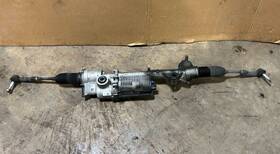
( Manufacturer Part Number: DL343D070BC ), ( Type: Rack Pinion ), ( Oe/oem Part Number: 28214390 11a, 2821439011a, 28214390, Blm041, E3199 22171 )
Review FORD Power Steering Motor Rack Pinion Gear Box At Oem Comple fits F150 2012–2014
The **Ford DL343D070BC Power Steering Motor, Rack, Pinion, and Gear Box Assembly** is a critical component of the steering system for the **2012 2014 Ford F-150**, designed to deliver precise, responsive, and effortless directional control under a wide range of driving conditions. This high-performance assembly combines a **hydraulic power steering motor**, a **rack-and-pinion mechanism**, and an integrated **gear box** to convert the driver s steering wheel input into smooth, low-effort lateral movement of the front wheels. Engineered with Ford s proprietary engineering standards, this unit features a **durable aluminum rack** reinforced with precision-machined teeth to ensure minimal play and maximum durability, even in demanding applications like towing heavy loads or navigating rough terrain. The **hydraulic power steering motor** operates in tandem with the vehicle s power steering pump, providing hydraulic assistance that reduces steering effort by up to 90%, making maneuvering effortless whether the truck is parked in a tight space or cruising at highway speeds. The **pinion gear**, a key component of the rack-and-pinion system, is meticulously ground to maintain optimal alignment with the rack, preventing binding and ensuring consistent feedback from the road. The **gear box** within the assembly houses the internal steering linkages, translating the linear motion of the rack into the rotational movement needed to turn the wheels, while also housing the **tie rod ends** that connect the rack to the steering knuckles. Built to withstand the rigors of daily use, this assembly is treated with corrosion-resistant coatings and sealed bearings to protect against moisture, debris, and wear, extending its lifespan even in harsh environments. Whether replacing a failed unit due to leaks, excessive noise, or binding, or serving as an upgrade for enhanced steering feel, this **OEM-quality assembly** ensures reliable performance, seamless integration with the F-150 s steering column and linkages, and compatibility with the vehicle s hydraulic power steering system. Its robust construction and precision engineering make it an essential component for maintaining the F-150 s reputation for durability and driver confidence.
### **Pros and Cons of Buying a Used Ford F-150 Power Steering Motor/Rack/Pinion/Gear Box (DL343D070BC, 2012-2014 Models)**
#### **Pros:**1. **Common and Widely Available Parts** The 2012-2014 Ford F-150 uses a well-documented power steering system, meaning replacement parts, diagnostic tools, and labor are readily available. This reduces downtime and repair costs compared to less common systems.
2. **Proven Reliability (When Maintained)** The power steering rack and pinion assembly in these models is generally robust if the vehicle has been properly maintained. Regular fluid changes and lack of leaks can extend its lifespan significantly.
3. **Aftermarket Support** There is a strong aftermarket presence for power steering components, including remanufactured racks, seals, and hoses. This can be more cost-effective than buying OEM parts.
4. **DIY-Friendly Repairs** For those with mechanical experience, replacing a power steering rack or pinion gear can be a manageable DIY project, especially with the right tools and instructions.
5. **Compatibility with Upgrades** If you plan to modify your truck (e.g., lift kits, off-road suspension), ensuring the power steering system is in good condition is crucial. A functional rack helps maintain steering precision even with aftermarket modifications.
6. **Lower Upfront Cost (Used Market)** Purchasing a used rack or pinion gear from a salvage yard or private seller can be significantly cheaper than buying new, especially if the original is damaged.
7. **Ford s Recall History** While some early 2010s F-150s had recalls related to power steering fluid leaks or rack failures, many of these issues were addressed in later model years. Checking the vehicle s service history can help avoid known problems.
---
#### **Cons:**1. **Potential for Fluid Leaks** The power steering rack in these models is prone to leaks, particularly at the seals and hoses. If neglected, fluid leaks can lead to a complete system failure, requiring a full replacement.
2. **Worn or Seized Racks** Over time, the internal bushings, seals, and recirculating ball mechanism in the rack can wear out, causing excessive play, grinding noises, or a "dead" steering feel. This often requires a full rack replacement rather than a simple repair.
3. **Cost of Replacement** While parts are available, labor costs for replacing a power steering rack can be high, especially if the job requires removing the steering column or subframe. Prices vary by shop but typically range from **$800 $1,500 ** for parts and labor.
4. **Compatibility Issues with Mods** If the truck has been modified (e.g., lifted, wider tires, or heavy-duty towing), the stock power steering system may struggle to keep up, leading to a softer or less responsive feel. Upgrading to a heavier-duty rack (e.g., a **Moog, ACDelco, or Bilstein** aftermarket unit) may be necessary.
5. **Diagnostic Challenges** Symptoms like a slow steering response, whining noises, or a "clicking" sound can be vague and may indicate issues with the rack, pump, hoses, or even the steering column. Proper diagnosis requires testing fluid pressure, checking for leaks, and inspecting the rack for wear.
6. **Remanufactured vs. New Parts** While remanufactured racks are cheaper, they may not last as long as new OEM or high-quality aftermarket units. Some owners report premature failure in remanufactured parts, especially if the original rack was severely damaged.
7. **Potential for Hidden Damage** If buying a used rack from a salvage yard or private seller, there s a risk of hidden internal damage (e.g., corroded bushings, cracked housing). Inspecting the rack visually (for rust, cracks, or excessive wear) and testing it for smooth operation is essential.
---
### **Conclusion:**Buying a **Ford F-150 power steering rack/pinion gear box (DL343D070BC, 2012-2014)** can be a practical choice if you prioritize **availability of parts, cost savings, and DIY potential**. However, the system s **proneness to leaks, wear, and compatibility issues with modifications** means it requires **proactive maintenance** (regular fluid changes, leak checks) and **careful selection of parts** (preferably high-quality remanufactured or aftermarket units).
If you re considering this purchase, **prioritize vehicles with a clean service history** and **inspect the rack for leaks, rust, or unusual noises** before committing. For modified trucks or those used heavily for towing, investing in an **upgraded rack** may be worth the extra cost to ensure long-term reliability.
### **Recommendation:**- **If buying new/remanufactured:** Opt for a **high-quality aftermarket rack** (e.g., **Moog, ACDelco, or Bilstein**) rather than a generic salvage-yard part to avoid premature failure.
- **If buying used:** Thoroughly inspect the rack for **leaks, rust, and smooth operation** before purchasing. Consider having a mechanic test it for proper fluid pressure and alignment.
- **For modified trucks:** Upgrade to a **heavy-duty rack** to accommodate wider tires, lifts, or off-road use.
- **Maintenance tip:** Change power steering fluid **every 50,000 100,000 miles** (or as recommended by Ford) to prevent sludge buildup and extend rack life.
Ultimately, the **best approach is prevention** regular maintenance and smart part selection will minimize headaches and ensure your F-150 s steering system remains reliable.
Details:
Only a visual inspection is performed on all parts. While every effort is made to identify and disclose any visible defects, some issues may go unnoticed.
part #: dl343d070bc prices
- $509.99-$1704.06
specifications steragebo:
- for models: F150
- for makes: Ford
- for years: 2012-2014
- mpn: Dl343d070bc
- type: Rack Pinion
- oe/oem part number: 28214390 11a, 2821439011a, 28214390, Blm041, E3199 22171
seller steragebo:
- # reviews: 338
- city: Concord, North Carolina
- rating: 99.4%
offer steragebo:
- options: Ship-to-home
- availability: In Stock
- quantity: 1
- started: March 9, 2026
- sold: 0
shipping steragebo:
- class: Standard
- cost: $100.00
- service: USPS Ground Advantage
- transit: 4-10 Days
- carrier: USPS
- type: Fixed
payments steragebo:
- wallet: Apple-pay
- other
- credit card: Mastercard
returns steragebo:
- policy: No Returns
general steragebo:
- Car Truck Parts Accessories > Steering Suspension > Gearboxes, Rack Pinions
- condition: Used
Ford DL343D070BC Is Similar To:
- K8442 Mercury Rh Rack Pinion Bellow Kit Fits Ford (39.4% similar) May not fit all vehicles within stated year range, due to possible variations. McKay Norris Rh rack pinion bellow kit K8442 fits mercury bobcat 75-80, ford mustang 74-78, pinto H157 lookup part no. Please refer to pictures for item condition...(June 21st, 2018)
- 000982 Borgeson Steering Shaft Telescopic Steel Ford Truck (30.7% similar) Items must be in the same package and condition as it was received...(November 3rd, 2018)
- 082617574037 Ford Rack And Pinion (25.6% similar) This item is in good working condition...(September 2nd, 2017)
- 12213825 Aftermarket Products New Steering Rack Mustang Ford Ii Pinto Mercury (36.7% similar) The items are brand new parts that look and fit same as original, except at a much better price...(October 27th, 2018)
- 13 Ford C-max Steering Gear-rack (30.6% similar) No expedited or over night shipping is available. 13 ford c-max steering gear rack elect. Keenan bros. In the rare case that an item arrives damaged, please via message within 24 hours for instructions...(October 29th, 2017)
- 141633745 Ford Fusion Steering Gear Rack And Pinion (42% similar) Shipped with ups ground ford fusion steering gear rack and pinion. Condition is used...(March 21st, 2019)
- 199899 Ford Tilt Steering Column Expedition Pre Air Bag (35.4% similar) Good ignition switch and key. A nice column. Has cruise in it also. Makes a nice column to replace that one airbag went off in. Will fit 150,250 to 96 and 350,S 97. Here is a tilt steering column from 95 f good switches,has delay wipers,cruise. Should fit the other years and model's listed. Tilt is ...(October 30th, 2018)
- 1w7z-3f567-aa Ford Motor Company Column Shaft Collar Genuine (22.4% similar) 6l v8 - GAS2004 mercury grand marquises, LS4. 6l v8 - GAS2008 ford crown Victorians, LX, police INTERCEPTOR4. 6l v8 - GAS2007 ford crown Victorians, LX, police INTERCEPTOR4. 6l v8 - GAS2005 ford crown Victorians, LX, LX sport, police interceptor,, special EDITION4. 6l v8 - GAS2009 mercury grand ...(June 2nd, 2018)
- 2101036002 Oe Ford Freestyle Steering Column Shaft Rack Joint Linkage (37.3% similar) You are buying on a lower steering shaft removed from 2007 freestyle. The steering shaft joints are free and it has been spray with a rust protector. This is a genuine oem ford part. The part number is: 6F9Z-3B676-AA this lower steering shaft will also fit: FREESTYLE2005- 2007 ford five ...(May 23rd, 2018)
- 231 Rack Doctor Ford Pinion 704907597181 (24.2% similar) Application notes for this unit fits all NON-1. 8l model's with power steering...(February 14th, 2019)
- 24-245975 Bilstein Steering Damper Front Fits Ford 651860756424 (24.5% similar) These steering dampers are finished in the classic Holstein yellow paint to match all b6 series products. Utilizing our proven mono tube design, these steering dampers are able to dampen minute movements in the and reduce vibrations that naturally occur, especially older vehicles. If your looking to...(November 10th, 2018)