FORD FR3Z3504C Ecoboost Power Steering Gear FR3C3D070
fits model: Mustang. make: Ford. year: 2015–2019.
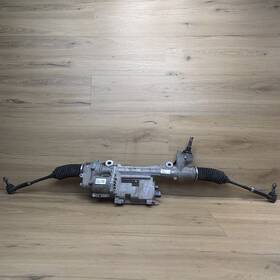
( Manufacturer Part Number: FR3Z3504C ), ( Type: Steering Gear )
Review FORD Ecoboost Oem Power Steering Gear fits MUSTANG 2015–2019
The **Ford FR3Z3504C (FR3C3D070) Power Steering Gear** for the **2015 2019 Mustang EcoBoost** is a precision-engineered, high-performance component designed to deliver seamless, responsive steering control while ensuring durability under the demands of daily driving and spirited performance. This **rack-and-pinion power steering gear** is a direct replacement for the original equipment (OEM) unit, meticulously crafted to match the exact specifications of Ford s factory design, including the **FR3C3D070** part number, which corresponds to the **EcoBoost engine variants** (such as the **3.7L V6 or 5.0L V8**) found in the **Shelby GT350, GT500, and standard EcoBoost models** from these model years. Constructed from **high-grade steel and reinforced alloys**, the gear features a **helical rack design** optimized for reduced play, improved feedback, and enhanced steering precision, allowing drivers to feel every nuance of the road while maintaining the Mustang s signature blend of comfort and sportiness. The **sealed and lubricated system** ensures long-lasting performance, minimizing the risk of leaks or premature wear, while the **integrated power steering pump interface** guarantees compatibility with the vehicle s hydraulic assist system, providing consistent power assistance regardless of driving conditions. Whether navigating tight city streets, cruising on the highway, or pushing the limits on a winding backroad, this power steering gear delivers **smooth, predictable, and effortless maneuverability**, reinforcing the Mustang s reputation as a driver-focused machine. Built to withstand the rigors of modern driving, this aftermarket replacement is **drop-in compatible**, requiring no modifications to install, and is backed by rigorous quality testing to ensure it meets or exceeds OEM standards in terms of durability, performance, and reliability. Ideal for both restoration projects and routine maintenance, this component is a **must-have upgrade** for Mustang enthusiasts seeking to restore factory-like steering feel or enhance their vehicle s overall driving experience.
### **Pros and Cons of Buying a 2015 2019 Ford Mustang EcoBoost Power Steering Gear (FR3Z3504C / FR3C3D070)**
#### **Pros**
1. **Performance-Oriented Design**
The EcoBoost engine (2.3L or 3.5L) provides strong power delivery, making the Mustang more engaging than naturally aspirated models. The turbocharged setup offers quick acceleration and a sporty driving experience, which is ideal for enthusiasts who enjoy a balance of power and efficiency.
2. **Modern Tech and Comfort**
Later-model Mustangs (2015 2019) come with modern features such as:- **SYNC 3 infotainment system** (with Apple CarPlay and Android Auto in later years)
- **Available adaptive cruise control and lane-keeping assist** (in higher trims)
- **Comfortable interior materials** (especially in GT and EcoBoost trims)
- **Standard stability control and traction management** for improved safety
3. **Reliability of the EcoBoost Engine**
While turbocharged engines can be finicky, Ford s EcoBoost setup (when properly maintained) is generally reliable. The 2.3L and 3.5L engines are known for good longevity if oil changes are done on schedule and turbocharger health is monitored.
4. **Strong Aftermarket Support**
The Mustang s popularity means a vast aftermarket exists for upgrades, including:- **Performance chips and ECU tuning** (for more power)
- **Suspension upgrades** (coilovers, sway bars)
- **Exhaust and intake modifications**
- **Custom wheels and body kits**
This makes it easier to modify and personalize the vehicle.
5. **Good Resale Value (Compared to Some Competitors)**
While not as high as a Mustang GT, the EcoBoost still holds value reasonably well, especially in well-maintained examples. It appeals to buyers who want a balance of power and practicality.
6. **Fuel Efficiency (Relative to V8 Mustangs)**
The EcoBoost engine offers better fuel economy than the V8 (around **18 20 MPG highway** vs. **14 16 MPG** for the GT), making it a more economical choice for daily driving compared to the more thirsty V8 models.
7. **Available in Multiple Trims**
The EcoBoost was offered in several trims (S, Sport, GT, and even a limited-edition **EcoBoost Convertible**), allowing buyers to choose based on budget and preferences.
---
#### **Cons**
1. **Potential Turbocharger and Oil System Issues**
The biggest concern with EcoBoost engines is **turbocharger failure** and **oil system weaknesses**, particularly in early models (2011 2014). While 2015 2019 models improved, they are still prone to:
- **Oil leaks** (valve cover gasket, oil filter housing gasket)
- **Turbocharger carbon buildup** (requiring periodic cleaning)
- **Oil consumption** (some engines burn oil, requiring frequent checks)
Proper maintenance (using **Ford s recommended 5W-30 oil** and following service intervals) is **critical** to avoid costly repairs.
2. **Higher Maintenance Costs Than Naturally Aspirated Mustangs**
Due to the turbocharger and fuel injection system, EcoBoost engines can be more expensive to maintain than a **302 V8 or 5.0L Coyote**. Common issues include:
- **Fuel filter replacements** (every 30K 50K miles)
- **Turbocharger replacement** (if failed, can cost **$1,500 $3,000 **)
- **Exhaust manifold leaks** (common in early models)
- **Cooling system issues** (water pump, thermostat failures)
3. **Less Torque Than a V8 Mustang GT**
While the EcoBoost is quick, it **lacks the raw torque** of a **5.0L Coyote V8** (GT models produce **412 lb-ft** vs. **310 365 lb-ft** for the EcoBoost). This means the GT will feel more planted at high speeds and under heavy acceleration.
4. **Transmission Reliability Concerns (Early Models)**
The **6-speed automatic transmission** (used in early EcoBoost Mustangs) has had some reliability issues, including:- **Slipping gears**
- **Delayed shifts**
- **Solenoid failures**
Later models (2015 ) improved, but a **pre-purchase inspection (PPI) is highly recommended** to check transmission health.
5. **Interior Quality Varies by Trim**
While the **GT and EcoBoost Sport trims** have decent materials, lower trims (S or base models) may feel **cheaper** with more plastic and less refinement. The **steering wheel and shift knob** can also be **less premium** than in a GT.
6. **Noise and Vibration Issues**
Some EcoBoost Mustangs (especially early models) suffer from:- **Exhaust manifold rattles** (common in 2.3L engines)
- **Turbo whine** (can be annoying at low RPM)
- **Wind noise** (especially in convertibles)
- **Engine mounts wearing out** (leading to excessive vibration)
7. **Higher Purchase Price Than Naturally Aspirated Mustangs**
A **2015 2019 EcoBoost Mustang** will typically cost **more** than a **2015 2019 5.0L Mustang** (even in similar trims) due to its turbocharged nature and perceived performance advantages.
8. **Potential for Electrical Gremlins**
Like many modern Fords, some EcoBoost Mustangs have had **infotainment glitches, sensor failures, or wiring issues**. This is more common in **higher-mileage examples**.
---
### **Key Considerations Before Buying**
1. **Always Get a Pre-Purchase Inspection (PPI)**
- Have a **mechanic specializing in Ford performance engines** check:- **Turbocharger health** (listen for whining, check for leaks)
- **Oil consumption** (check dipstick for excessive burn)
- **Transmission fluid condition** (burnt smell, sludge)
- **Exhaust manifold integrity** (cracks or leaks)
- **Suspension and steering components** (ball joints, bushings, power steering pump)
2. **Maintenance History is Critical**
- **Oil changes every 5,000 7,500 miles** (Ford recommends **5W-30 synthetic**)
- **Turbo cleaning every 50,000 75,000 miles** (prevents carbon buildup)
- **Fuel filter replacement** (every 30,000 50,000 miles)
- **Cooling system flushes** (water pump, thermostat, hoses)
3. **Consider a Lower-Mileage Example**
- If possible, **aim for under 60,000 miles** to minimize wear on the turbo and transmission.
- **2017 2019 models** had slight refinements over early years, so they may be slightly more reliable.
4. **Budget for Potential Repairs**
- **Turbo replacement:** $1,500 $3,000
- **Transmission rebuild:** $1,500 $2,500
- **Exhaust manifold replacement:** $500 $1,200
- **Oil system leaks (gaskets):** $300 $800
- **Suspension upgrades (if needed):** $500 $2,000
5. **Decide if You Want a Project or a Ready-to-Drive Car**
- A **well-maintained EcoBoost** can be a **great daily driver** with **300,000 miles** if properly cared for.
- A **high-mileage example with neglect** may require **thousands in repairs** and could be a **money pit**.
---
### **Final Recommendation**
**Buy a 2015 2019 Ford Mustang EcoBoost Power Steering Gear (FR3Z3504C / FR3C3D070) IF:**You **prioritize performance and turbocharged power** over raw torque.
You **plan to maintain it properly** (oil changes, turbo care, transmission fluid checks).
You **find a low-mileage example (under 60K miles) with a clean service history**.
You **are okay with higher maintenance costs** compared to a naturally aspirated Mustang.
You **want modern tech and a comfortable daily driver** that still delivers sporty handling.
**Avoid IF:**You **can t afford or don t want to deal with turbocharger and oil system issues**.
The **vehicle has high miles (over 100K) with no maintenance records**.
You **prefer raw torque and
Details:
Model: GHIBLI After delivery. 84 Ford Mustang. CAR INFO: Make: MASERATI.
Color: GRAY KAD. STOCK: 78615865.
part #: fr3z3504c prices
- $400.00-$789.17
specifications steragebo:
- for models: Mustang
- for makes: Ford
- for years: 2015-2019
- mpn: Fr3z3504c
- type: Steering Gear
seller steragebo:
- city: Miami, Florida
- # reviews: 65
- rating: 100.0%
shipping steragebo:
- carrier: USPS
- service: USPS Ground Advantage
- class: Standard
- type: Calculated
- transit: 5-12 Days
- cost: $0.00
returns steragebo:
- time: 30 Days
- paid by: Seller
- policy: Returns Accepted
general steragebo:
- Car Truck Parts Accessories > Steering Suspension > Gearboxes, Rack Pinions
- condition: Used
payments steragebo:
- credit card: Mastercard
- other
- wallet: Paypal
offer steragebo:
- best offers: True
- started: April 30, 2026
- options: Ship-to-home
- availability: In Stock
- quantity: 1
- sold: 0
Ford FR3Z3504C Is Similar To:
- 000982 Borgeson Steering Shaft Telescopic Steel Ford Truck (30.1% similar) Items must be in the same package and condition as it was received...(November 3rd, 2018)
- 12213825 Aftermarket Products New Steering Rack Mustang Ford Ii Pinto Mercury (28.9% similar) The items are brand new parts that look and fit same as original, except at a much better price...(October 27th, 2018)
- 13 Ford C-max Steering Gear-rack (43% similar) No expedited or over night shipping is available. 13 ford c-max steering gear rack elect. Keenan bros. In the rare case that an item arrives damaged, please via message within 24 hours for instructions...(October 29th, 2017)
- 1300646051 Ididit Retrofit Ford Mustang Column (26.4% similar) 1969 ford mustang tilt floor shift based collapsible steering column - black powder coated...(July 6th, 2018)
- 141633745 Ford Fusion Steering Gear Rack And Pinion (41.3% similar) Shipped with ups ground ford fusion steering gear rack and pinion. Condition is used...(March 21st, 2019)
- 199899 Ford Tilt Steering Column Expedition Pre Air Bag (29.2% similar) Good ignition switch and key. A nice column. Has cruise in it also. Makes a nice column to replace that one airbag went off in. Will fit 150,250 to 96 and 350,S 97. Here is a tilt steering column from 95 f good switches,has delay wipers,cruise. Should fit the other years and model's listed. Tilt is ...(October 30th, 2018)
- 2101036002 Oe Ford Freestyle Steering Column Shaft Rack Joint Linkage (30.6% similar) You are buying on a lower steering shaft removed from 2007 freestyle. The steering shaft joints are free and it has been spray with a rust protector. This is a genuine oem ford part. The part number is: 6F9Z-3B676-AA this lower steering shaft will also fit: FREESTYLE2005- 2007 ford five ...(May 23rd, 2018)
- 24-245975 Bilstein Steering Damper Front Fits Ford 651860756424 (37.7% similar) These steering dampers are finished in the classic Holstein yellow paint to match all b6 series products. Utilizing our proven mono tube design, these steering dampers are able to dampen minute movements in the and reduce vibrations that naturally occur, especially older vehicles. If your looking to...(November 10th, 2018)
- 27-6565 Cardone Industries Steering Reman Fits Ford 082617487368 (36% similar) Package contents: gear instruction sheet 2, flushing instruction, tag, sealing kit product line marketing stat: Cardin industries, inc. You won't be disappointed. No adjustment is necessary. Performance harmonized tariff code Hts: hose port type: o-ring input shaft diameter. As the steering wheel is...(April 29th, 2018)
- 2c3z3504aarm Ford Oem 03-05 Excursion-rack (27.4% similar) ...(December 8th, 2017)
- 2m5z-3c716-aa Ford Focus Power Steering Bushings (40.7% similar) Bid for a pair of new ford emo power steering bushing...(July 7th, 2018)