INTERNATIONAL HARVESTER 237.IH1272 Steering Intermediate Internat 1110 Shaft
fits year: 1972.
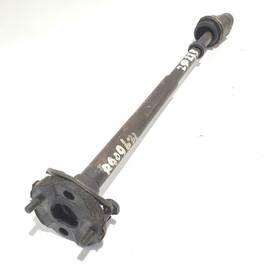
( Brand: International Harvester ), ( Model: INTERNAT ), ( Part Type: Steering Shaft ), ( Conditions Options: Steering Intermediate Shaft ), ( Genuine Oem: Yes ), ( Ipn: 237.ih1272 ), ( Make: International ), ( Manufacturer Warranty: 90 Day )
Review INTERNATIONAL HARVESTER Oem Steering Intermediate Shaft fits 1972
The **International Harvester 237 (IH-1272) 1972 1110 Steering Intermediate Shaft** is a meticulously crafted, high-performance component designed specifically for the iconic **International Harvester 237** tractor series, particularly models built between the late 1960s and early 1970s. This steering intermediate shaft serves as a critical linkage between the tractor s steering wheel mechanism and the front axle assembly, ensuring smooth, responsive, and precise directional control during operation. Engineered to withstand the rigorous demands of agricultural and industrial applications, this shaft is constructed from durable, heat-treated steel, offering exceptional strength and resistance to wear, fatigue, and bending stresses that arise from constant use in rough terrain. The **1110** designation likely refers to its specific length or part number variant, tailored to fit the **IH-1272** model s unique steering geometry, which was known for its robust yet efficient design in the era s farming machinery.
The shaft features a **universal joint (U-joint) coupling** at both ends, allowing for flexible articulation and accommodating the natural movement of the tractor s front axle and steering linkage. This design minimizes binding and ensures that steering remains fluid, even when the tractor is operating over uneven ground or at varying angles. The **spline-shaft connection** at one end interfaces directly with the steering arm or sector shaft, while the other end may incorporate a **flanged or bolted coupling** to attach to the tractor s steering box or intermediate linkage. Precision-machined for a tight, interference-free fit, this shaft helps maintain optimal alignment and reduces unnecessary play, which is essential for preventing premature wear on the steering system s other components, such as the steering box, tie rods, and axle housing.
For collectors, restorers, and operators seeking to preserve or enhance the performance of their **1972 International Harvester 237**, this steering intermediate shaft is an indispensable replacement part. Its compatibility with the **IH-1272** model ensures that it integrates seamlessly with the original steering assembly, restoring lost functionality without compromising the tractor s historical integrity. Whether used in a classic farm setting, a showroom display, or a custom restoration project, this part exemplifies the engineering precision of its era, offering both reliability and a nod to the enduring legacy of International Harvester s agricultural machinery. Proper installation requires careful alignment and torque specifications to be followed, as misalignment can lead to premature failure or steering inefficiency, underscoring the importance of sourcing genuine, high-quality replacements for vintage equipment.
### **Pros and Cons of Buying a 1972 International Harvester 237 (IH1272) with an 1110 Steering Intermediate Shaft**
#### **Pros**
1. **Classic and Reliable Workhorse**
The International Harvester 237 (IH1272) is a well-known tractor from the mid-20th century, designed for durability and heavy-duty farming tasks. Many models from this era are built to last with proper maintenance, making them attractive for collectors, restorers, or functional use in rural settings.
2. **Mechanical Simplicity**
Older tractors like this one often feature simpler mechanical systems compared to modern hydraulically dominated machines. This can make repairs easier for those with mechanical skills, though parts may require sourcing from vintage suppliers.
3. **Potential for Restoration and Customization**
The 237 series has a cult following among vintage tractor enthusiasts. Restoring one can be a rewarding hobby, and the tractor s classic design may appeal to those who value nostalgia or unique farm equipment.
4. **Lower Purchase Cost**
Compared to newer tractors, a 1972 IH237 in average condition is likely to be significantly cheaper, making it accessible for buyers on a budget especially if the price is right for its age and condition.
5. **Functional Use in Limited Applications**
If the tractor is in good working order, it can still perform basic tasks such as pulling implements, operating stationary equipment, or serving as a backup for smaller farms where modern machinery is unnecessary.
6. **Historical and Collectible Value**
For some buyers, the tractor s age and rarity may hold sentimental or collectible value, particularly if it is well-documented or part of a specific model series.
---
#### **Cons**
1. **High Maintenance and Wear**
A 50-year-old tractor will almost certainly require extensive maintenance. Rust, worn-out belts, seals, and internal components (such as the 1110 steering intermediate shaft) are common issues. The cost of restoring it to full functionality could outweigh its purchase price.
2. **Parts Availability and Cost**
Finding original or compatible parts for a 1972 IH237 can be difficult. While some parts may still be available from specialty suppliers, others may require machining or fabrication, increasing repair costs. The 1110 steering intermediate shaft, for example, may not be easy to source and could need replacement or refurbishment.
3. **Fuel Inefficiency and Emissions**
Older diesel engines, particularly those from the 1970s, are far less fuel-efficient than modern tractors. They also produce more emissions, which may be a concern if used in areas with environmental regulations or if fuel costs are a significant factor.
4. **Lack of Modern Technology**
The 237 lacks features like power steering, modern hydraulic systems, or electronic diagnostics. Operating it may require more physical effort, and tasks like adjusting implements or steering could be more labor-intensive.
5. **Reliability Concerns**
Even with restoration, the tractor s age means it may not run reliably for extended periods. Mechanical failures, such as engine issues, transmission problems, or electrical failures, are more likely compared to newer models.
6. **Resale Value is Minimal**
Unless the tractor is in pristine condition or highly sought after by collectors, its resale value will be very low. Most buyers will only pay for its functional or sentimental value, not its long-term investment potential.
7. **Safety Risks**
Older tractors may lack modern safety features such as roll-over protection structures (ROPS), seat belts, or warning systems. Operating one without these can pose significant safety risks, especially in accident-prone situations.
---
### **Ending Conclusion**
Buying a 1972 International Harvester 237 with an 1110 steering intermediate shaft can be a rewarding experience if you are prepared for the challenges. It is best suited for buyers who:
- Have mechanical skills and the patience for restoration.
- Value the tractor for nostalgia, hobby purposes, or limited functional use.
- Are willing to invest significant time and money into repairs and maintenance.
- Do not rely on it for primary farming operations.
However, if the primary goal is to have a reliable, low-maintenance, and efficient tractor for modern farming needs, a newer model with modern technology and warranties would be a far better investment. The 237 is more of a project than a practical purchase unless you are specifically looking for a vintage piece.
---
### **Recommendation**
- **If you are a collector or enthusiast:** Purchase the tractor if you can afford the restoration costs and enjoy the process. Ensure you thoroughly inspect the engine, transmission, and steering components (including the 1110 shaft) before buying.
- **If you need a functional tractor:** Consider a newer used or lightly used tractor with modern features. Even a 10- to 20-year-old model will likely be more reliable and cost-effective in the long run.
- **If you are unsure:** Test the tractor s functionality before committing. If it requires major repairs, factor those costs into your budget. Alternatively, consult a mechanic experienced with vintage tractors to assess its condition accurately.
Ultimately, the decision depends on your priorities whether you value the tractor s history, your ability to restore it, or its practical utility. For most practical farming needs, a modern or mid-century used tractor would be a smarter choice.
Details:
Orders placed after 2:00 pm CST cannot be guaranteed shipping that day.
part #: internat prices
- $33.85-$39.01
specifications steragebo:
- for years: 1972
- brand: International Harvester
- model: Internat
- part type: Steering Shaft
- conditions options: Steering Intermediate Shaft
- genuine oem: Yes
- ipn: 237.ih1272
- make: International
- manufacturer warranty: 90 Day
payments steragebo:
- credit card: Diners-club
- other
- wallet: Google-pay
offer steragebo:
- options: Ship-to-home
- availability: In Stock
- started: February 9, 2026
- quantity: 1
- best offers: True
- sold: 0
shipping steragebo:
- service: Standard
- transit: 3-8 Days
- class: Standard
- cost: $20.00
- type: Fixed
seller steragebo:
- city: Mobile, Alabama
- # reviews: 60287
- rating: 99.7%
returns steragebo:
- time: 30 Days
- paid by: Buyer
- policy: Returns Accepted
general steragebo:
- Car Truck Parts Accessories > Steering Suspension > Gearboxes, Rack Pinions
- condition: Used
International Harvester INTERNAT Is Similar To:
- Trw ross 642986 Hfb642988 Power Steering Gear Box 1983-1992 International Harvester (28.9% similar) It is sold as. Sold as is in what areas are a little dented that's might be something very minor to fix. It is not tested I do know if it works properly you might need to work on get a 100...(January 28th, 2024)
- International Harvester 238.ih1266 1966 Scout 800 Oem Steering Column Sold As Is Needs Restoration (62.1% similar) Used steering column. Minor wear and tear should be expected. Orders placed after 2:00 pm CST cannot be guaranteed shipping that day. Steering columns are sold as good, usable parts...(March 13th, 2025)
- International Harvester 551-00820a Scout 800 Manual Steering Box (57.1% similar) Manual steering box from a 4 cylinder scout 800...(August 30th, 2025)
- Ross International Harvester Se545999 1965 1966 1967 Ih Scout 800 Oem Manual Steering Box (54.5% similar) Taking the arm off wood reduce size of packaging, but in meantime I will measure it as is on. I have not felt any play in the shaft running through it by trying to move but this is mean that bushings and bearings may need be replaced or other parts. That might result in putting jaw teeth marks on it...(March 4th, 2026)